
Health Tips & Information
Empowering You With Better Health
Coronary Angiography
Coronary angiography is a diagnostic procedure used to examine the blood flow through the coronary arteries. A special contrast dye and X-ray imaging help doctors identify narrowing or blockages in the arteries supplying the heart.
How Is Coronary Angiography Performed?
- The procedure may be performed along with cardiac catheterization.
- The access area, usually the arm or groin, is cleaned and numbed using local anaesthesia.
- A thin catheter is guided through an artery toward the heart.
- Contrast dye is injected through the catheter.
- X-ray images are taken to observe blood flow and identify possible blockages.
- The procedure commonly takes around 30–60 minutes, depending on the case.
Health Tips for Heart & Artery Health
- Monitor your blood pressure, cholesterol and blood sugar regularly.
- Follow a heart-healthy diet with plenty of vegetables, fruits and whole grains.
- Avoid smoking and limit exposure to tobacco smoke.
- Stay physically active according to your doctor's advice.
- Take prescribed medicines regularly and attend recommended cardiac check-ups.
What Is Angioplasty?
Angioplasty is a procedure used to restore blood flow through coronary arteries that have become narrowed or blocked. Coronary arteries supply oxygen-rich blood to the heart muscle.
In coronary artery disease, plaque containing cholesterol, calcium and other substances can build up inside the arteries and restrict blood flow.
What Conditions Can Angioplasty Treat?
- Helps relieve certain types of chest pain caused by reduced blood flow to the heart.
- Can restore blood flow during or immediately after certain heart attacks.
- Helps improve circulation through narrowed coronary arteries.
Health Tips After Angioplasty
- Take all prescribed medicines exactly as directed by your cardiologist.
- Follow your recommended diet and limit excess salt and unhealthy fats.
- Gradually return to physical activity as advised by your healthcare team.
- Avoid smoking and maintain a healthy body weight.
- Attend regular follow-up appointments and report new or worsening symptoms promptly.
What Is High Blood Pressure?
Blood pressure refers to the force of blood pushing against the walls of your blood vessels. Hypertension occurs when this pressure remains consistently elevated.
High blood pressure can develop without obvious symptoms, which is why regular blood pressure monitoring is important.
Types of High Blood Pressure
- Primary Hypertension: The most common type, often associated with ageing, lifestyle and other risk factors.
- Secondary Hypertension: May result from another medical condition, hormonal or kidney-related problems, or certain medications.
Possible Complications
- Stroke
- Heart attack
- Peripheral vascular disease
- Kidney disease
- Pregnancy-related complications
- Eye damage
- Cognitive and vascular complications
Tips to Manage High Blood Pressure
- Check your blood pressure regularly and keep a record of your readings.
- Reduce excess salt and choose a balanced, heart-healthy diet.
- Exercise regularly within your doctor's recommendations.
- Maintain a healthy weight and limit alcohol consumption.
- Take prescribed blood pressure medicines consistently and do not stop them without medical advice.
Diabetes
Diabetes is a long-term condition in which blood glucose levels become too high. It can occur when the pancreas does not produce sufficient insulin or when the body does not use insulin effectively.
Type 2 diabetes is the most common form. With appropriate medical care, medication, nutrition, physical activity and lifestyle changes, diabetes can often be effectively managed.
Common Symptoms of Diabetes
- Increased thirst and dry mouth
- Frequent urination
- Persistent fatigue
- Blurred vision
- Unexplained weight loss
- Numbness or tingling in hands or feet
- Slow-healing wounds
- Recurring infections
Tips for Diabetes Management
- Monitor your blood glucose as recommended by your healthcare professional.
- Choose balanced meals and control portion sizes.
- Stay physically active and follow an activity plan suitable for you.
- Take diabetes medicines or insulin exactly as prescribed.
- Have regular check-ups for your eyes, feet, kidneys and overall health.
What Is Thyroid Disease?
The thyroid is a small butterfly-shaped gland located at the front of the neck. It produces hormones that help regulate several important functions throughout the body.
When the thyroid produces excessive hormones, the condition is known as hyperthyroidism. When it produces insufficient hormones, it is called hypothyroidism.
Who Can Develop Thyroid Disease?
- People with a family history of thyroid disease
- People with certain autoimmune conditions
- People taking certain iodine-containing medicines
- Older adults
- People with a previous thyroid condition
- People who have received certain cancer treatments
Tips for Thyroid Health
- Take thyroid medicines exactly as prescribed and at the recommended time.
- Attend regular thyroid function tests and follow-up appointments.
- Do not start iodine supplements or thyroid medicines without medical advice.
- Maintain a balanced diet and regular physical activity.
- Inform your doctor if you notice persistent changes in weight, energy, heart rate or mood.
What Is a Heart Attack?
A heart attack occurs when blood flow to a portion of the heart muscle becomes severely restricted or blocked. Without adequate blood supply, heart muscle can become damaged.
A suspected heart attack requires immediate emergency medical attention. Prompt treatment can reduce the risk of permanent heart damage.
Symptoms of a Heart Attack
- Chest pain, pressure or discomfort
- Pain spreading to the arm, shoulder, neck or jaw
- Shortness of breath
- Unusual fatigue
- Nausea or stomach discomfort
- Heart palpitations
- Excessive sweating
- Dizziness or fainting
- Feeling of anxiety or uneasiness
Possible Causes
- Coronary artery blockage
- Coronary artery spasm
- Blood clot or embolism
- Coronary artery injury
- Electrolyte imbalance
- Stress-related heart conditions
- Certain congenital coronary abnormalities
Tips to Reduce Heart Attack Risk
- Know and manage your blood pressure, cholesterol and blood sugar levels.
- Do not smoke and avoid exposure to tobacco smoke.
- Eat a balanced diet that is lower in excess salt, saturated fat and processed foods.
- Stay physically active and maintain a healthy weight.
- Seek emergency medical care immediately if symptoms suggest a heart attack.
Coronavirus
Coronaviruses are a group of viruses that can cause respiratory illnesses ranging from mild infections to more serious diseases.
How Can Respiratory Viruses Spread?
- Through respiratory droplets released when an infected person coughs, sneezes, talks or breathes.
- Through close contact with an infected person.
- By touching contaminated surfaces and then touching the eyes, nose or mouth.
Who May Be at Higher Risk?
- Older adults
- People with certain underlying conditions
- People with weakened immune systems
- People exposed to areas with active transmission
- People who have had close contact with an infected person
Tips to Reduce Respiratory Infection Risk
- Follow current vaccination recommendations applicable to you.
- Wash or sanitize your hands regularly, especially after being in public places.
- Improve ventilation in indoor spaces whenever possible.
- Avoid close contact with people who are unwell when practical.
- If you develop significant or worsening respiratory symptoms, seek appropriate medical advice.
Stroke
A stroke occurs when blood supply to part of the brain is interrupted, usually because of a blockage or bleeding. A stroke can cause permanent brain damage and requires urgent medical attention.
Warning Signs of Stroke
- Sudden numbness or weakness of the face or limbs
- Severe or unusual headache
- Difficulty seeing
- Difficulty walking or maintaining balance
- Problems speaking or understanding speech
Common Risk Factors
- High blood pressure
- High cholesterol
- Diabetes
- Smoking
- Heart disease
- Previous brain or blood vessel conditions
Tips to Help Prevent Stroke
- Keep high blood pressure under control through regular monitoring and treatment.
- Manage diabetes and cholesterol according to your doctor's advice.
- Do not smoke and stay physically active.
- Maintain a healthy diet and healthy body weight.
- Learn the warning signs of stroke and seek emergency care immediately if they appear.
Tuberculosis (TB)
Tuberculosis is an infectious disease that most commonly affects the lungs, although it can also affect other parts of the body. TB is treatable and curable when diagnosed and managed appropriately.
Signs of Tuberculosis
- Persistent fatigue
- Cough with blood in some cases
- Fever and chills
- Night sweats
- Reduced appetite
- Unexplained weight loss
Risk Factors & Causes
- Weakened immune system
- Close contact with an infected person
- Living or working in high-risk environments
- Exposure to respiratory droplets from an infected person
Prevention
- Avoid prolonged close contact with infected individuals
- Follow recommended vaccination schedules
- Maintain good nutrition and overall health
- Seek medical advice when persistent symptoms occur
Tips for Tuberculosis Prevention & Care
- Seek medical evaluation for a persistent cough, fever, night sweats or unexplained weight loss.
- Complete the full TB treatment course exactly as prescribed.
- Follow medical advice about reducing transmission to household and workplace contacts.
- Maintain good nutrition, adequate rest and overall health during treatment.
- Keep follow-up appointments and recommended tests to confirm treatment response.
🌸 Pregnancy & Women's Health
Simple answers for every stage of a woman's journey
1. 🩺 Pregnancy Check-ups
“I feel fine. Do I still need a check-up?”
Pregnancy check-ups are not only for when you have a problem.
Even when a mother feels completely healthy, some conditions—such as anaemia, high blood pressure or pregnancy-related diabetes—may not cause obvious symptoms in the beginning. Regular check-ups give the doctor an opportunity to monitor the mother's health, the baby's growth and identify possible concerns early. WHO recommends regular contact with a skilled healthcare provider throughout pregnancy, beginning early in pregnancy.
What this section should explain:
- When should the first pregnancy check-up be done?
- How often should I visit my doctor?
- What happens during a pregnancy check-up?
- How are mother's blood pressure, weight and health monitored?
- How is the baby's growth monitored?
- Which supplements may be advised?
- Which vaccinations may be recommended?
- Why should I not miss appointments even if I feel well?
- What if I missed one or more check-ups?
Friendly message:
Pregnancy is not a time to wait for a problem. Regular check-ups help you stay one step ahead.
2. 🥗 What Should I Eat?
“What should be on my plate during pregnancy?”
Pregnancy does not mean that you have to “eat for two.” It means that your food should provide good nutrition for two.
A healthy pregnancy diet should include a variety of foods that provide energy, protein, iron, calcium, vitamins and other nutrients. For an Indian family, healthy eating does not have to mean expensive or complicated food.
Simple foods such as dal, pulses, vegetables, fruits, cereals, milk or curd, nuts and seeds can be part of a balanced diet, depending on individual needs.
WHO recommends counselling about healthy eating and nutrition as part of antenatal care.
“ગુજરાતી ઘરના ખોરાકમાંથી પોષણ કેવી રીતે મેળવવું?”
Explain practical choices such as:
- Dal and different dals
- Moong, chana and other pulses
- Roti / bhakri and other grains
- Green vegetables
- Seasonal fruits
- Milk, curd and chaas
- Nuts and seeds
- Healthy snacks
- Adequate fluids
Also explain:
- What to limit?
- What foods need extra care?
- What if I have diabetes or high BP during pregnancy?
Friendly message:
Healthy pregnancy food does not have to be fancy. A balanced Indian thali can provide a lot of what you and your baby need.
3. 🚨 When Should I Seek Help?
“Which pregnancy symptoms should I never ignore?”
Pregnancy can bring many changes—nausea, tiredness, backache, swelling and other discomforts. Many of these can be normal.
But some symptoms need prompt medical attention.
This section should make it very easy for a woman and her family to understand when they should stop waiting and contact a healthcare professional.
Clearly explain warning symptoms such as:
- Vaginal bleeding
- Severe abdominal pain
- Severe headache
- Blurred vision or other visual problems
- Fits or loss of consciousness
- Difficulty breathing
- High fever or feeling seriously unwell
- Severe or persistent vomiting
- Leakage of fluid
- Noticeably reduced baby movements later in pregnancy
- Any sudden or worrying change in the mother's condition
Indian maternal-health guidance emphasizes recognising danger signs and seeking appropriate care promptly.
Important wording:
Do not try to diagnose yourself from the internet. If something feels seriously wrong, contact your doctor or seek urgent medical care.
Friendly message:
Most pregnancy symptoms are manageable. But when a warning sign appears, don't wait and don't panic—get medical advice.
This should be one of the most prominent sections on the page.
4. 🧪 Tests During Pregnancy
“Why does my doctor recommend these tests?”
During pregnancy, you may be advised to have blood tests, urine tests, ultrasound examinations and other investigations.
Instead of simply telling patients which tests to do, this section should explain why the doctor may recommend them.
Blood Tests
- What does a haemoglobin test tell us?
- Why is blood group important?
- Why might blood sugar be checked?
- Why might thyroid testing be advised?
Urine Tests
- Why is urine tested during pregnancy?
- What can the doctor learn from it?
Ultrasound
- Why is an ultrasound advised?
- What can an ultrasound show?
- Why can the timing of an ultrasound matter?
Other Tests
- When might additional tests be recommended?
- Why are some tests advised only for certain mothers?
Important principle:
Not every pregnant woman needs exactly the same tests at exactly the same time. Your doctor decides based on your stage of pregnancy, medical history and individual needs.
Friendly message:
A test is not just a number on a report. It helps your doctor understand how you and your baby are doing.
5. ❤️ When Pregnancy Needs Extra Care
“High-risk pregnancy sounds scary. What does it really mean?”
The words “high-risk pregnancy” can make a family immediately frightened.
The first message should therefore be reassuring:
High-risk does not mean that something bad will definitely happen. It means that the pregnancy may need closer observation, additional tests or specialised care.
A woman may need extra care because of her previous pregnancy history, anaemia, high blood pressure, diabetes, certain medical conditions, age-related considerations, or problems identified during the current pregnancy. India's PMSMA specifically focuses on identifying high-risk pregnancies and ensuring appropriate follow-up, birth planning and complication readiness.
Explain:
- What is a high-risk pregnancy?
- Why can a pregnancy become high-risk?
- Does high-risk mean C-section?
- Does high-risk mean bed rest?
- How often might extra monitoring be needed?
- Why is it important not to miss appointments?
- When might specialist care be needed?
- How can the family help?
Very important myth:
High-risk pregnancy ≠ guaranteed complication.
Friendly message:
Extra care does not mean extra fear. It means being prepared and keeping mother and baby under the right level of medical supervision.
6. 🧳 Getting Ready for Delivery
“Don't wait for labour to start before you start preparing.”
Delivery preparation is more than packing a hospital bag.
A family should know:
- Expected delivery date
- Which hospital they plan to use
- How to reach the hospital
- Who will accompany the mother
- Emergency contact numbers
- Important medical reports
- Previous prescriptions
- Blood group information
- Transport arrangements
- What to do if labour starts
- What to do if a warning sign develops
India's PMSMA framework specifically includes birth planning and complication readiness, particularly for women with identified risk factors.
Delivery Preparation Checklist
- Hospital selected
- Doctor's contact saved
- Transport planned
- Reports organised
- Medicines list ready
- Family member informed
- Hospital bag prepared
- Emergency plan discussed
Friendly message:
A little preparation today can make a difficult moment much easier tomorrow.
7. 🌼 Care After Delivery
“The baby needs care. But who is taking care of the mother?”
This should be a very strong Sumandeep section.
After delivery, families naturally focus on the newborn. But the mother's recovery is equally important.
The post-delivery period can involve:
- Physical recovery
- Bleeding
- Pain
- Breastfeeding challenges
- Tiredness
- Sleep problems
- Nutrition
- Emotional changes
- Wound or C-section care
- Follow-up visits
- Family planning
WHO's postnatal guidance emphasises care for both mother and newborn after birth, including support for breastfeeding and recognising danger signs.
Include:
- What is generally expected after delivery?
- When should I contact my doctor?
- How should I care for a C-section wound?
- What should I eat after delivery?
- When can I resume normal activities?
- Why are postnatal check-ups important?
- What if I feel unusually sad, anxious or overwhelmed?
WHO also highlights the importance of recognising postnatal depression and anxiety and seeking professional help when needed.
Friendly message:
A healthy baby needs a healthy mother. After delivery, don't forget to look after the person who has just given birth.
8. 👩🍼 Breastfeeding Made Simple
“Breastfeeding is natural—but learning it can take time.”
Many mothers feel that breastfeeding should automatically happen perfectly from the first day.
In reality, mother and baby may need time and support.
This section should remove fear and confusion.
Explain simply:
- When should breastfeeding ideally begin?
- What is colostrum—the first milk?
- Is the first milk really important?
- How should the baby attach to the breast?
- How often should a newborn feed?
- How do I know my baby is getting enough milk?
- What if I have nipple pain?
- What if I think I have “less milk”?
- How can I express breast milk?
- Can I breastfeed after a C-section?
- What should family members do to support the mother?
WHO and UNICEF recommend starting breastfeeding within the first hour after birth and exclusive breastfeeding for the first six months, with complementary foods introduced from six months while breastfeeding continues up to two years or beyond.
A very important Indian-context myth section:
“દૂધ ઓછું છે એટલે ઉપરથી દૂધ આપવું પડે?”
Explain that perceived low milk supply is common and that proper feeding technique, frequent feeding and professional assessment can help determine whether the baby is actually receiving enough milk.
Friendly message:
Breastfeeding is not a test of whether you are a “good mother.” If you are having difficulty, ask for help early.
9. 🌸 Your Health, At Every Age
“Women's health does not begin and end with pregnancy.”
This section should expand beyond maternity.
A woman's health needs change throughout life.
👧 Adolescence
- Periods
- Menstrual hygiene
- Anaemia
- Nutrition
- PCOS
- When irregular periods need attention
👩 Reproductive years
- Irregular periods
- PCOS
- Fertility
- Pregnancy planning
- Contraception/family planning
- Vaginal health
- Abnormal bleeding
🤰 Pregnancy
- Antenatal care
- Nutrition
- High-risk pregnancy
- Delivery
- Breastfeeding
🌼 After childbirth
- Recovery
- Breastfeeding
- Emotional wellbeing
- Family planning
👵 Menopause
- Hot flashes
- Sleep
- Mood changes
- Bone health
- Heart health
- When bleeding after menopause needs medical assessment
Important positioning:
Women's health is not only about becoming a mother. It is about staying healthy at every stage of life.
This makes the section relevant even to women who are not pregnant.
10. ❓ Questions Women Often Ask
“No question is too small when it comes to your health.”
This should be the most conversational section.
Instead of formal FAQ language, use the actual questions people ask doctors.
Pregnancy questions
- “I just found out I'm pregnant. When should I see my doctor?”
- “Can I travel during pregnancy?”
- “Can I exercise during pregnancy?”
- “Why am I feeling so tired?”
- “Why am I having morning sickness?”
- “Can I drink tea or coffee?”
- “Why have I been prescribed iron tablets?”
- “Why are my stools black after taking iron?”
- “Is swelling during pregnancy normal?”
- “When should I worry about abdominal pain?”
- “My baby is moving less. What should I do?”
- “How do I know labour has started?”
Delivery questions
- “How do I know when I should come to the hospital?”
- “Is normal delivery possible after a previous C-section?”
- “Does a big baby always require a C-section?”
- “Will every high-risk pregnancy need a C-section?”
After delivery
- “Why am I feeling very tired?”
- “Why is breastfeeding painful?”
- “How do I know my baby is getting enough milk?”
- “When should I come for a post-delivery check-up?”
Women's health
- “My periods are irregular. Should I worry?”
- “Could this be PCOS?”
- “My periods are very heavy. Is that normal?”
- “When should I see a doctor for fertility problems?”
- “What happens during menopause?”
Food & Nutrition
Eat Better. Live Better. Every Day.
Food is not just something we eat when we are hungry.
The food we eat every day gives our body energy, helps build and repair muscles, supports our brain and immune system, and plays an important role in keeping our heart, bones, digestion and overall health in good shape.
But healthy eating does not mean eating expensive foods, following complicated diets or giving up everything you enjoy.
Healthy eating is about balance.
It means eating a variety of foods, eating the right amount for your body, choosing nutritious foods more often, and keeping foods high in added sugar, excess salt, unhealthy fats and highly processed ingredients to a minimum.
The ICMR–National Institute of Nutrition's Dietary Guidelines for Indians 2024 also emphasize variety, balanced nutrition, appropriate portions and minimizing high-fat, high-sugar, high-salt and ultra-processed foods.
At Sumandeep Hospital, we believe nutrition advice should be simple enough to follow at home—whether your kitchen serves dal-roti, bhakri-shak, khichdi-kadhi, rice, idli, dosa, poha, upma or a combination of traditional and modern foods.
🌿 What Does “Healthy Eating” Actually Mean?
You do not need to find one “perfect” food.
There is no single food that can give your body everything it needs.
Your body needs a combination of:
🥦 Vegetables
For vitamins, minerals and fibre.
🍎 Fruits
For vitamins, minerals, fibre and naturally occurring nutrients.
🌾 Whole grains and other staple foods
For energy and fibre.
🥣 Dal, pulses and beans
For protein, fibre and important nutrients.
🥛 Milk, curd and other dairy foods
For protein and calcium, depending on individual needs.
🥜 Nuts and seeds
For healthy fats, protein and micronutrients.
🥚 Eggs, fish, chicken or other animal foods
For those who eat them, they can provide high-quality protein and other nutrients.
💧 Water
For hydration and normal body functions.
A healthy diet is therefore not about removing one food group. It is about bringing different nutritious foods together in the right balance.
WHO describes a healthy diet around four simple ideas: adequacy, balance, moderation and diversity.
🍽️ The Simple Healthy Plate
Instead of counting every calorie, start by looking at your plate.
A practical approach is:
🥗 Make vegetables a big part of your meal
Choose different vegetables and colours through the week.
🌾 Add a sensible portion of grains/staples
Roti, bhakri, rice, oats, millets and other grains can all fit into a healthy diet.
🫘 Include a protein source
Dal, pulses, beans, curd, milk, paneer, eggs, fish, chicken or other suitable protein foods.
🍎 Add fruit during the day
Choose whole fruit more often than juice.
💧 Choose water as your main drink
Limit sugary drinks.
The exact portion required is different for every person. Age, body size, activity level, medical conditions and nutritional needs all matter.
Harvard's Healthy Eating Plate similarly emphasizes vegetables and fruits, whole grains, healthy protein sources, healthy oils and water, while WHO emphasizes variety and minimally processed foods.
⏰ When Should I Eat?
Healthy eating is not only about what you eat.
It is also about how your eating pattern fits your daily life.
For many people, a practical routine is:
🌅 Morning
Start your day with a nutritious breakfast rather than relying only on tea and biscuits.
Examples:
- Vegetable poha
- Upma with vegetables
- Idli + sambar
- Besan chilla
- Dalia
- Eggs + roti
- Thepla with curd and vegetables
☀️ Afternoon
Have a balanced lunch rather than making the largest part of the meal only rice or roti.
Think: vegetable + protein + grain/staple + curd/suitable accompaniment
🌇 Evening
If you are genuinely hungry, choose a sensible snack rather than automatically reaching for biscuits, farsan or packaged snacks.
Examples:
- Fruit
- Roasted chana
- Nuts
- Sprouts
- Curd
- Homemade snack
🌙 Night
Keep dinner balanced and appropriate for your hunger and activity level.
The goal is not to follow a rigid clock.
Your routine should be practical enough to follow every day.
There is no universal “magic” eating time that works for everyone. Meal timing may need to change according to work schedule, sleep, activity, medical conditions, age and individual needs.
🥗 What Should I Eat More Often?
Think about adding good food before removing food.
Try to include more:
🥬 Vegetables
- Green leafy vegetables
- Gourd vegetables
- Carrot
- Tomato
- Cucumber
- Beans
- Cauliflower
- Cabbage
- Seasonal local vegetables
Pulses & Legumes
- Moong
- Masoor
- Tuvar dal
- Chana
- Rajma
- Chole
- Other beans and pulses
🌾 Better Grain Choices
- Whole wheat
- Millets
- Oats
- Brown rice
- Other minimally processed whole grains
🍊 Fruits
Choose different seasonal fruits rather than depending on one “superfruit.”
🥜 Nuts & Seeds
- Groundnuts
- Almonds
- Walnuts
- Sesame
- Flaxseed
- Other nuts and seeds
🥛 Dairy
- Milk
- Curd
- Chaas
- Other suitable dairy foods
The important word is variety.
WHO recommends a diverse diet based on vegetables, fruits, legumes, nuts and whole grains, while ICMR-NIN's guidance similarly emphasizes a varied Indian diet rather than dependence on one or two foods.
🍬 What Should I Eat Less Often?
Healthy eating does not mean “never eat this.”
It means “don't make this your everyday food.”
Keep a closer watch on:
- Sugary drinks
- Excess sweets
- Cakes and pastries
- Biscuits and cookies
- Chips and packaged snacks
- Fried foods
- Excess farsan
- Instant noodles and similar convenience foods
- Highly processed ready-to-eat foods
- Foods very high in salt
- Foods prepared with excessive oil
ICMR-NIN specifically recommends minimizing high-fat, high-sugar, high-salt foods and ultra-processed foods because regular high consumption is associated with increased risk of conditions such as diabetes, hypertension and cardiovascular disease.
A simple rule:
Occasionally is different from every day.
A festival sweet, birthday cake or favourite farsan does not need to become a source of guilt.
The bigger goal is what you eat most days.
🧂 Salt: The Hidden Habit
Many people think:
“I don't add much salt, so I must be eating less salt.”
But salt can also come from:
- Pickles
- Papad
- Namkeen
- Chips
- Packaged snacks
- Sauces
- Instant foods
- Restaurant foods
- Processed foods
WHO recommends keeping adult salt intake below 5 grams per day, equivalent to about 2 grams of sodium.
For people with high blood pressure or certain medical conditions, doctors may advise stricter individual limits.
Simple message:
Taste your food before adding extra salt.
🍭 Sugar: Not Just the Sugar in Your Tea
Sugar can come from much more than the teaspoon you add to chai.
Think about:
Tea + biscuits + cold drink + packaged juice + sweets + dessert + flavoured drinks
These can add up.
WHO recommends limiting free sugars to less than 10% of total energy intake, with additional benefit from reducing it further.
Better everyday choices:
- Whole fruit > fruit juice
- Water > sugary drink
- Plain curd > heavily sweetened flavoured products
- Less added sugar > very sweet tea/coffee
🫒 What About Oil, Ghee & Butter?
Fat is not the enemy.
Your body needs fat.
The issue is how much, how often and what type.
WHO recommends limiting saturated and trans fats and replacing them where possible with healthier unsaturated fats.
So instead of asking:
“Which oil is the best?”
Ask:
“Am I using too much oil overall?”
Different cooking oils can be used appropriately. ICMR-NIN's educational material also notes that a combination or rotation of suitable cooking oils can be considered rather than depending exclusively on one oil.
And what about ghee?
Ghee does not automatically make a food unhealthy.
But ghee is still a concentrated source of fat and energy.
A little can fit into a balanced diet. More is not automatically better.
This is a much more useful message than telling people to either “eat unlimited ghee” or “never eat ghee.”
💪 Protein: Are You Getting Enough?
Protein is needed to build and maintain muscles and support many functions in the body.
But protein does not have to mean:
protein powder + supplements + expensive foods.
For many Indians, everyday foods can contribute protein:
- Dal
- Moong
- Chana
- Rajma
- Chole
- Soy and soy foods
- Milk
- Curd
- Paneer
- Eggs
- Fish
- Chicken
- Nuts and seeds
The amount and source should be individualized for people with kidney disease, certain medical conditions, pregnancy, older age, athletic training or other special nutritional needs.
Simple message:
Before buying a protein supplement, first look at your everyday plate.
ICMR-NIN has specifically highlighted the importance of obtaining nutrients through balanced food and has cautioned against unnecessary dependence on protein supplements.
🌾 Carbohydrates Are Not the Enemy
Rice and roti are often blamed for weight gain.
But carbohydrates are an important source of energy.
The better question is:
What kind of carbohydrate are you eating, how much, and what are you eating with it?
Whole grains, vegetables, fruits and pulses are generally better choices than relying heavily on refined and highly processed carbohydrate foods. WHO emphasizes the quality and diversity of carbohydrate sources.
- Rice ≠ automatically unhealthy
- Roti ≠ automatically healthy
- Millet ≠ magic food
- Sugar-heavy packaged food ≠ good simply because it is “low fat.”
The overall meal matters.
🍌 Fruit: Eat It, Don't Fear It
Many people avoid fruits because:
“Fruit contains sugar.”
Fruit does contain naturally occurring sugars, but whole fruit also provides fibre, vitamins, minerals and other beneficial components.
WHO recommends regular consumption of fruits and vegetables and notes that whole fruit is preferable to consuming large amounts of free sugars from juices and sweetened foods.
Simple rule:
Eat the fruit. Don't turn every fruit into juice.
Choose seasonal fruits available in your region.
There is no need to search for an expensive imported “superfruit.”
💧 Water: The Simplest Nutrition Habit
Sometimes what we call:
“I am hungry”
may actually be thirst, boredom or habit.
Make water your main everyday drink.
Drink according to your thirst, climate, physical activity and individual health needs.
People with kidney, heart or other medical conditions may need individualized fluid advice.
Better everyday choices:
- Water
- Plain chaas
- Unsweetened beverages where appropriate
Rather than making:
soft drinks + sweetened beverages + packaged juices
a daily habit.
🛒 Learn to Read the Food Label
A healthy choice begins before the food reaches your plate.
When buying packaged food, look beyond:
- “High Protein”
- “Multigrain”
- “No Added Sugar”
- “Natural”
- “Healthy”
Read the nutrition information and ingredient list.
Pay attention to:
- Added sugars
- Total fat
- Saturated fat
- Sodium/salt
- Protein
- Fibre
- Serving size
Remember:
The front of the packet is advertising. The nutrition label tells you more about what is actually inside.
🏠 Healthy Eating Starts in the Kitchen
You don't need a separate “diet food” kitchen.
Small cooking changes can make a difference:
Instead of deep-frying every day:
Try steaming, pressure cooking, sautéing, roasting or grilling where appropriate.
Instead of adding extra salt:
Use herbs, spices, lemon and other flavouring methods.
Instead of sugary drinks:
Choose water more often.
Instead of packaged snacks:
Keep fruit, nuts, roasted chana or homemade options available.
Instead of eating the same vegetable every day:
Rotate seasonal vegetables.
Instead of removing all traditional food:
Improve the balance and portion.
WHO and ICMR-NIN both emphasize diets based more on minimally processed foods and limiting foods high in unhealthy fats, free sugars and salt.
🧠 Food Myths vs Facts
This should become a major interactive part of the Sumandeep website.
❌ “Rice makes you fat.”
✅ Not by itself. The overall amount, preparation, portion and total diet matter.
❌ “Fruit should be avoided because it contains sugar.”
✅ Whole fruit can be part of a healthy diet.
❌ “Carbohydrates are bad.”
✅ The type and quality of carbohydrate matter.
❌ “Ghee is completely unhealthy.”
✅ Ghee can be consumed in moderation, but it is still a concentrated source of fat.
❌ “More protein is always better.”
✅ Protein needs vary. More is not automatically better for everyone.
❌ “Juice is the same as eating fruit.”
✅ Whole fruit generally provides more fibre and is preferable to relying on juice.
❌ “Healthy food means expensive food.”
✅ Many nutritious foods—dal, pulses, seasonal vegetables, fruits, grains, curd and groundnuts—are affordable everyday foods.
❌ “Detox drinks clean your body.”
✅ Your liver and kidneys already perform important waste-processing functions. A “detox” drink is not a substitute for a balanced diet.
👨👩👧 One Healthy Kitchen for the Whole Family
A particularly important message for Indian families:
You do not need separate “diet food” for every person in the family.
The same kitchen can prepare healthy food for:
- 👧 Children
- 👩 Adults
- 👨 Working professionals
- 👵 Older adults
The portion, preparation and individual requirements may change.
Someone with diabetes, kidney disease, high blood pressure, pregnancy, undernutrition, obesity or another medical condition may need a personalized diet.
But the foundation remains:
variety + balance + moderation + appropriate portions
🕐 A Simple Day of Eating
Instead of prescribing one rigid diet chart, show people what a balanced pattern can look like.
🌅 Breakfast
A grain/staple + protein + vegetable/fruit
Example:
- Vegetable poha + curd
- Besan chilla + vegetables
- Idli + sambar
☀️ Mid-morning
Fruit / suitable snack
🍛 Lunch
Vegetables + protein source + roti/bhakri/rice + curd or suitable accompaniment
☕ Evening
If hungry:
- Fruit
- Roasted chana
- Nuts
- Curd
- Homemade snack
🌙 Dinner
A balanced meal with sensible portions.
💧 Throughout the day
Water according to individual needs.
This is a pattern—not a prescription.
There is no single meal plan suitable for every person.
⚖️ Healthy Weight Is About More Than the Weighing Scale
A healthy lifestyle is not simply:
“Eat less and lose weight.”
It is about:
- Good nutrition
- Regular physical activity
- Adequate sleep
- Stress management
- Healthy eating habits
- Avoiding tobacco
- Limiting unhealthy foods
WHO and ICMR-NIN both emphasize that nutrition works together with physical activity and other lifestyle factors in maintaining health.
👴👵 Nutrition Changes With Age
The same diet does not suit everyone.
Children
Need nutrition for growth and development.
Teenagers
Need adequate energy, protein and micronutrients during rapid growth.
Adults
Need a balanced diet that supports work, activity and long-term health.
Pregnant women
Have increased nutritional needs and require individualized medical and dietary advice.
Older adults
May need special attention to protein, calcium, fibre, hydration and overall nutrient density.
ICMR-NIN's 2024 guidelines specifically address nutritional needs across life stages, including children, adolescents, pregnant/lactating women and older adults.
❤️ Food and Common Health Problems
Good nutrition is particularly important when managing:
- Diabetes
- High blood pressure
- High cholesterol
- Obesity
- Fatty liver
- Anaemia
- Constipation
- Heart disease
- Kidney disease
Important distinction:
A general healthy diet is not the same as a therapeutic diet.
Someone with kidney disease, uncontrolled diabetes, heart failure, severe liver disease or another medical condition may need specific dietary restrictions.
Do not copy someone else's medical diet from the internet.
🌟 Our Simple Food Philosophy
At Sumandeep Hospital, we want people to remember just seven things:
-
Eat a variety of foods.
Don't depend on one “superfood.” - Make vegetables and fruits a regular part of your diet.
- Include a protein source in your meals.
- Prefer whole or minimally processed foods more often.
- Keep excess sugar, salt and unhealthy fats under control.
- Drink enough water and make it your main everyday beverage.
- Don't chase diet trends. Build habits you can follow for years.
Sumandeep Hospital – Health & Information
This information is for general health education. Individual nutritional needs vary. If you are pregnant, have diabetes, kidney/heart/liver disease, significant weight problems, an eating disorder, or another medical condition, seek advice from a qualified doctor or registered dietitian before making major dietary changes.
🔬 Know Your Test
Understand your report. Understand your health.
A simple guide to common medical tests
When your doctor asks you to get a test, it is natural to wonder:
- “Why do I need this test?”
- “What will it tell my doctor?”
- “Is it a blood test or a scan?”
- “Do I need to fast?”
- “What does the result actually mean?”
Instead of presenting 100 tests in one long list, make Know Your Test a six-department hub:
-
🟢 General Medicine
Blood • Diabetes • Heart • Kidney • Liver • Thyroid • Infection -
🟢 General & Laparoscopic Surgery
Pre-surgery • Abdomen • Gallbladder • Hernia • Appendix • Endoscopy -
🟠 Orthopaedics & Joint Replacement
X-ray • MRI • CT • Bone Density • Joint Fluid • Bone & Vitamin Tests -
🩷 Obstetrics & Gynaecology
Pregnancy • Ultrasound • Blood Tests • Hormones • Cervical Screening • Fertility -
🟡 Paediatrics & Neonatal
Child Blood Tests • Fever Tests • Newborn Screening • Jaundice • Imaging -
🦷 Dental & Maxillofacial
Dental X-ray • OPG • CBCT • TMJ Imaging • Pulp Tests • Biopsy
Not sure why your doctor advised a test?
Ask your doctor. Understanding your test is part of understanding your health.
The purpose of this section is to help you understand your test—not to diagnose yourself.
1. 🩺 General Medicine
“Know what your basic health tests are telling you.”
CBC – Complete Blood Count
Measures different types of blood cells, including haemoglobin, red cells, white cells and platelets.
How can it help? Can help doctors look for conditions such as anaemia, infection and changes in blood-cell counts.
Haemoglobin (Hb)
Measures the haemoglobin in your blood, which carries oxygen.
How can it help? Helps identify anaemia and monitor response to treatment.
Blood Sugar – Fasting
Measures blood glucose after fasting for the prescribed period.
How can it help? Helps assess blood sugar control and screen for or monitor diabetes.
Post-Meal Blood Sugar (PPBS)
Measures blood glucose after eating.
How can it help? Helps understand how blood sugar responds after a meal.
HbA1c
Shows your average blood glucose level over roughly the previous 2–3 months.
How can it help? Useful for diagnosing diabetes in appropriate settings and monitoring long-term glucose control.
Lipid Profile
Measures cholesterol and triglycerides, commonly including LDL and HDL cholesterol.
How can it help? Helps assess cardiovascular risk and guide lifestyle or treatment decisions.
Liver Function Tests (LFT)
Measures substances such as bilirubin and liver enzymes that provide information about liver function and injury.
How can it help? Helps doctors evaluate liver-related problems and monitor certain conditions or treatments.
Kidney Function Tests (KFT/RFT)
Commonly include creatinine, urea and other measures used to assess kidney function.
How can it help? Helps detect or monitor kidney problems and assess kidney function before certain treatments.
TSH
Measures thyroid-stimulating hormone.
How can it help? Helps assess whether the thyroid may be underactive or overactive and guides further testing.
T3 / T4
Measures thyroid hormones in the blood.
How can it help? Helps further evaluate thyroid function when indicated.
Vitamin B12
Measures vitamin B12 levels.
How can it help? Can help investigate certain types of anaemia, weakness or nerve-related symptoms when clinically appropriate.
Vitamin D
Measures vitamin D status, usually through 25-hydroxyvitamin D.
How can it help? Helps evaluate suspected deficiency in people for whom testing is appropriate.
Serum Calcium
Measures calcium in the blood.
How can it help? Important when evaluating bone, parathyroid, kidney and other medical conditions.
CRP – C-Reactive Protein
A marker that can rise with inflammation.
How can it help? Can help doctors assess inflammation or infection in the appropriate clinical situation.
ESR
A non-specific blood test that can change with inflammation and several other conditions.
How can it help? Can support evaluation and monitoring of certain inflammatory conditions.
Urine Routine & Microscopy
Examines urine for cells, blood, protein, glucose and other findings.
How can it help? Can help identify urinary infection, kidney-related problems and other conditions.
Urine Culture
Checks whether bacteria or other organisms grow from a urine sample.
How can it help? Helps identify a urinary infection and, when appropriate, guide antibiotic selection.
ECG
Records the electrical activity and rhythm of the heart.
How can it help? Can help detect rhythm problems and provide clues in certain heart conditions, including some causes of chest discomfort.
Troponin
A heart-related blood marker that can rise when heart muscle is injured.
How can it help? Helps doctors evaluate suspected acute heart injury, particularly in patients with symptoms such as chest pain.
Blood Pressure
Measures the pressure of blood against artery walls.
How can it help? Helps detect and monitor high or low blood pressure and assess cardiovascular risk.
Pulse Oximetry (SpO₂)
Estimates the oxygen saturation of blood using a small sensor, usually placed on a finger.
How can it help? Helps assess oxygen levels, especially in people with breathing or heart-related concerns.
Chest X-ray
Produces an image of structures inside the chest.
How can it help? Can help evaluate the lungs, heart size and certain chest conditions when clinically indicated.
Ultrasound – Abdomen/Pelvis
Uses sound waves to create images of internal organs.
How can it help? Can help examine organs such as the liver, gallbladder, kidneys, urinary bladder and pelvic structures.
2. General & Laparoscopic Surgery
“Tests that help your surgeon understand the problem and prepare you safely for treatment.”
For surgical patients, investigations often have two purposes:
- Understand the condition.
- Make sure you are medically prepared for surgery.
CBC
Checks haemoglobin, white blood cells and platelets.
How can it help? Helps assess anaemia, infection and blood-cell status before treatment or surgery.
Blood Group & Rh Typing
Identifies your blood group and Rh status.
How can it help? Important for medical records and planning if blood or blood products may be required.
Blood Sugar
Measures glucose in the blood.
How can it help? Helps identify or monitor diabetes and assess surgical risk.
HbA1c
Gives an estimate of average blood glucose over the preceding 2–3 months.
How can it help? Useful when longer-term glucose control needs assessment.
LFT
Assesses markers related to liver health.
How can it help? Helps evaluate liver function when relevant before treatment or surgery.
KFT/RFT
Assesses kidney function using relevant blood markers.
How can it help? Helps assess kidney health and may influence medication or surgical planning.
PT/INR
Measures part of the blood-clotting process.
How can it help? Helps assess bleeding/clotting status in selected patients and before certain procedures.
Urine Routine
Examines urine for abnormalities.
How can it help? May identify infection or other urinary findings that could need attention before surgery.
ECG
Records heart rhythm and electrical activity.
How can it help? Helps assess cardiac status when indicated before surgery or in patients with relevant symptoms/risk factors.
Chest X-ray
Images the chest.
How can it help? May be requested in selected patients based on age, symptoms, medical history or surgical requirements.
Ultrasound Abdomen/Pelvis
Images abdominal and pelvic organs.
How can it help? Commonly helps investigate gallbladder, liver, kidney, urinary and pelvic problems.
CT Scan
Uses X-rays and computer processing to create detailed cross-sectional images.
How can it help? Can provide detailed information about abdominal, pelvic and other conditions when needed.
MRI
Uses magnetic fields and radio waves to produce detailed images.
How can it help? Useful for selected soft-tissue and other conditions where MRI provides additional information.
Endoscopy
Uses a flexible camera to look inside parts of the digestive tract.
How can it help? Can help identify problems such as ulcers, inflammation, bleeding or other abnormalities when indicated.
Biopsy / Histopathology
A tissue sample is examined under a microscope.
How can it help? Helps determine the nature of a tissue abnormality and can be essential for confirming certain diagnoses.
A surgeon does not decide on an operation from one test alone. Your symptoms, examination, scans and other reports are considered together.
3. Orthopaedics & Joint Replacement
“Find out what is happening inside your bone, joint or soft tissue.”
X-ray
Uses a small amount of radiation to create images, especially of bones.
How can it help? Helps identify fractures, arthritis, bone alignment and many joint problems.
Weight-Bearing X-ray
X-ray is taken while standing, when appropriate.
How can it help? Can show how a joint behaves under load and help assess alignment and joint-space changes.
MRI
Provides detailed images of soft tissues as well as bone marrow and joints.
How can it help? Helps evaluate cartilage, ligaments, tendons, muscles and other soft-tissue problems.
CT Scan
Produces detailed cross-sectional images using X-rays.
How can it help? Useful for complex fractures, bone detail and selected surgical planning.
Bone Density – DEXA
Measures bone mineral density.
How can it help? Helps assess bone strength and risk of osteoporosis/fracture in appropriate patients.
Vitamin D
Measures vitamin D level in the blood.
How can it help? May help evaluate suspected deficiency when clinically appropriate, particularly in selected bone-health situations.
Calcium
Measures calcium in the blood.
How can it help? Can support evaluation of certain bone, metabolic and parathyroid conditions.
Uric Acid
Measures uric acid in the blood.
How can it help? Can support evaluation of gout in the appropriate clinical setting, although the diagnosis is not based on this number alone.
ESR / CRP
Blood markers that can rise with inflammation.
How can it help? May help investigate inflammatory or infectious joint conditions when indicated.
Joint Fluid Analysis
Fluid from a joint is examined for cells, crystals and sometimes infection.
How can it help? Can help distinguish conditions such as infection, crystal arthritis and other joint problems.
Before Joint Replacement – Why Are These Tests Done?
- Blood tests
- Blood sugar
- Kidney/liver function
- ECG
- Chest assessment when indicated
- X-ray
- Infection screening when appropriate
- Other tests based on individual health
4. Obstetrics & Gynaecology
“Tests that help monitor a woman's health and pregnancy.”
Pregnancy investigations vary according to the stage of pregnancy and the mother's individual circumstances.
Urine Routine
Checks urine for abnormalities such as protein, blood, glucose and signs of infection.
How can it help? Helps monitor urinary health and identify findings that may need attention during pregnancy.
Urine Culture
Tests urine for bacterial growth.
How can it help? Helps diagnose urinary infection and guide treatment when needed.
CBC / Haemoglobin
Checks blood cells and haemoglobin.
How can it help? Helps identify anaemia and other blood-count abnormalities during pregnancy.
Blood Group & Rh
Determines blood group and Rh type.
How can it help? Important for pregnancy planning and management when Rh incompatibility is relevant.
Blood Sugar / Glucose Testing
Measures blood glucose.
How can it help? Helps screen for or monitor diabetes and gestational diabetes.
HbA1c
Reflects average blood glucose over the previous 2–3 months.
How can it help? May be useful in selected women, particularly when diabetes status needs evaluation.
TSH / Thyroid Profile
Assesses thyroid function.
How can it help? Helps identify thyroid problems that may require management during pregnancy or for other women's health concerns.
Ultrasound Pregnancy Scan
Uses sound waves to create images of the pregnancy.
How can it help? Helps assess gestational age, fetal development, pregnancy location and other features depending on the timing and type of scan.
NT Scan
Ultrasound measurement of the fetal neck area during the appropriate early-pregnancy window.
How can it help? Used as part of screening for certain chromosomal conditions.
Anomaly Scan
Detailed ultrasound examination of fetal anatomy at the appropriate stage.
How can it help? Helps assess development of major fetal structures.
Doppler Ultrasound
Uses Doppler technology to assess blood flow.
How can it help? May help assess blood flow in selected pregnancy situations.
Non-Stress Test (NST)
Monitors fetal heart rate and its response to fetal movement.
How can it help? Can help assess fetal wellbeing in selected pregnancies.
Biophysical Profile (BPP)
Combines ultrasound observations with fetal heart-rate assessment.
How can it help? Provides information about fetal wellbeing in selected situations.
Pap Smear
Examines cervical cells for abnormal changes.
How can it help? Helps screen for cervical cancer and precancerous changes.
HPV Test
Looks for high-risk types of human papillomavirus.
How can it help? Can help assess cervical cancer risk as part of appropriate screening.
Pelvic Ultrasound
Images the uterus, ovaries and other pelvic structures.
How can it help? Can help evaluate abnormal bleeding, pelvic pain, ovarian cysts, fibroids and other conditions.
AMH
Measures anti-Müllerian hormone.
How can it help? Can provide information about ovarian reserve in selected fertility evaluations, but it does not by itself tell a woman whether she can or cannot become pregnant.
FSH / LH / Prolactin
Measures hormones involved in reproductive and endocrine function.
How can it help? May help investigate selected menstrual, ovulatory or fertility-related problems.
Important Pregnancy Screening Principle
Screening is not the same as diagnosis.
An abnormal screening result does not automatically mean that the baby has a problem; it may mean that further evaluation is needed.
5. Paediatrics & Neonatal
“Tests for growing children and newborn babies.”
Parents often become frightened when their child is advised a blood test or scan.
Not every test means that your child has a serious illness. Doctors sometimes use tests simply to understand what is causing a symptom or to monitor recovery.
CBC
Measures red cells, white cells and platelets.
How can it help? Helps evaluate anaemia, infection and other blood-count abnormalities.
Haemoglobin
Measures haemoglobin level.
How can it help? Helps detect anaemia.
CRP
Measures a marker associated with inflammation.
How can it help? May help doctors assess inflammation or infection along with the child's symptoms and examination.
Procalcitonin
A marker that can rise in certain bacterial infections and other conditions.
How can it help? May help risk assessment for serious bacterial infection in selected situations.
Blood Culture
Attempts to identify bacteria or other organisms in blood.
How can it help? Can help identify bloodstream infection and guide antibiotic treatment.
Urine Routine
Examines urine for abnormalities.
How can it help? Helps evaluate urinary infection and other urinary problems.
Urine Culture
Checks urine for bacterial growth.
How can it help? Helps diagnose urinary infection and guide treatment when appropriate.
Blood Sugar
Measures glucose level.
How can it help? Helps assess low or high blood sugar in children when clinically indicated.
Bilirubin
Measures a substance that can increase when babies develop jaundice.
How can it help? Helps assess newborn jaundice and determine whether further monitoring or treatment is needed.
Newborn Screening Tests
Screening tests look for selected conditions that may not be obvious at birth.
How can it help? Early identification can allow timely treatment or follow-up for certain conditions.
Hearing Screening
Checks whether a newborn responds to sound at an appropriate screening level.
How can it help? Helps identify babies who may need further hearing evaluation.
Pulse Oximetry Screening
Measures oxygen saturation using a sensor.
How can it help? Can help screen newborns for certain serious heart or oxygen-related problems.
Ultrasound
Uses sound waves to create images.
How can it help? Can be used to examine selected organs or conditions without radiation.
X-ray
Creates images using X-rays.
How can it help? Used when clinically needed, for example to evaluate certain fractures or chest conditions.
CT / MRI
Advanced imaging techniques.
How can it help? Used selectively when doctors need more detailed information that other tests cannot provide.
A test result should always be interpreted for your child's age, symptoms and clinical condition. A number that is normal for an adult may not be normal for a newborn or child.
6. Dental & Maxillofacial
“Tests that help us see what is happening beyond what the eye can see.”
Dental problems are not always visible from the outside.
Sometimes the dentist needs an X-ray or other imaging to understand the teeth, roots, jawbone or surrounding structures.
Dental X-ray – IOPA
A small dental X-ray showing one or a few teeth in detail.
How can it help? Helps detect cavities, root problems, bone loss and infection around a tooth.
OPG – Panoramic X-ray
Provides a broad image of the upper and lower jaws and teeth.
How can it help? Useful for evaluating multiple teeth, wisdom teeth, jawbone and overall dental structures.
Lateral Cephalogram
A side-view X-ray of the head and jaw.
How can it help? Commonly used in orthodontic assessment and treatment planning.
CBCT – Cone Beam CT
Creates 3D images of teeth, jawbone and surrounding structures.
How can it help? Can help with implant planning, complex root assessment, impacted teeth and selected maxillofacial conditions.
CT Maxillofacial
Produces detailed cross-sectional images of facial bones and structures.
How can it help? Useful in selected trauma, bone and complex maxillofacial conditions.
MRI – TMJ
Provides detailed images of soft tissues around the jaw joint.
How can it help? May help evaluate selected temporomandibular joint problems.
Dental Pulp Tests
Tests the response of a tooth's nerve/pulp to different stimuli.
How can it help? Helps the dentist assess whether the pulp may be healthy, inflamed or non-vital.
Biopsy / Histopathology
Examines a tissue sample under a microscope.
How can it help? Helps diagnose certain suspicious or unusual oral and maxillofacial lesions.
Simple message: “No visible hole” does not always mean “no dental problem.” Some problems are hidden below the surface.
7. “Before Your Surgery”
Why do I need so many tests before surgery?
Surgery affects the whole body—not just the body part being operated on.
Your medical team may therefore check your blood count, blood sugar, kidney function, heart status, blood-clotting status or other parameters depending on your age, medical history, symptoms and the type of surgery.
Common Pre-operative Assessments
CBC
Why may it be checked before surgery? Anaemia, infection and blood-cell status.
Blood Sugar
Why may it be checked before surgery? Diabetes and glucose control.
HbA1c
Why may it be checked before surgery? Longer-term glucose control when appropriate.
KFT/RFT
Why may it be checked before surgery? Kidney function.
LFT
Why may it be checked before surgery? Liver-related assessment when indicated.
PT/INR
Why may it be checked before surgery? Blood clotting assessment in selected patients.
ECG
Why may it be checked before surgery? Heart rhythm/electrical activity.
Chest X-ray
Why may it be checked before surgery? Selected patients based on clinical need.
Blood Group
Why may it be checked before surgery? Important medical information when blood may potentially be required.
Urine Test
Why may it be checked before surgery? Selected urinary findings/infection.
Pregnancy Test
Why may it be checked before surgery? May be appropriate for women of childbearing potential before certain procedures/medications.
The exact tests are not the same for every patient.
What This Test Can—and Cannot—Tell You
HbA1c
Can tell you: Your average blood glucose level over the previous few months.
Cannot tell you: Everything about your diabetes, your current glucose at this exact moment, or whether you should change your medicine on your own.
Vitamin D
Can tell you: Your measured vitamin D status.
Cannot tell you: That every pain or tiredness you have is because of vitamin D deficiency.
MRI
Can tell you: Detailed information about certain bones and soft tissues.
Cannot tell you: The diagnosis by itself without your clinical history and examination.
This will make Know Your Test much more responsible than typical hospital websites.
🧠 “Don't Compare Your Report With Someone Else”
Your report belongs to you.
A “normal range” can vary depending on the laboratory, method, age, sex, pregnancy status and other factors.
A result slightly outside a reference range does not automatically mean disease.
Similarly, a result inside the reference range does not always rule out a medical problem.
Never start or stop a medicine just because you compared your report with a friend's or found an interpretation online.
Your doctor interprets the result together with your symptoms, examination and medical history.
Health – Myths & Facts
You may have heard it at home. But is it really true?
Before You Believe a Health Claim
Ask yourself five simple questions:
- Who is saying this?
- Is the source reliable?
- Is there scientific evidence?
- Does it apply to everyone—or only certain people?
- Could following this advice delay proper medical treatment?
If you are unsure:
Ask a qualified healthcare professional.
Health advice is everywhere.
From family members and friends to WhatsApp messages, social media videos and internet searches—we hear many things about food, medicines, pregnancy, children and common illnesses.
Some advice is useful. Some is partly true. And some may sound convincing but have little scientific support.
At Sumandeep Hospital, we believe good health starts with good information.
Our Health Myths & Facts section looks at common beliefs in simple language and explains what medical evidence tells us.
Remember:
- A myth is not always completely wrong.
- A fact is not always the same for everyone.
- Your age, health condition, medicines, pregnancy status and medical history can change what is right for you.
When in doubt, ask a qualified healthcare professional.
🤒 Fever – Myths & Facts
❌ MYTH:
“Fever is a disease.”
✅ FACT:
Fever is usually a sign that something is happening in the body, often because of an infection. The cause of fever matters more than the number alone.
Know this:
- Not every fever requires antibiotics.
- Viral infections are common causes of fever, and antibiotics do not treat viruses.
🚨 Seek medical advice when:
Fever is persistent, very high, associated with breathing difficulty, severe weakness, confusion, seizures, dehydration, severe pain or other concerning symptoms—or when a young infant develops fever.
❌ MYTH:
“The higher the fever, the more serious the disease.”
✅ FACT:
Temperature alone does not tell us how serious an illness is.
A person's age, symptoms, medical condition, hydration, breathing, mental status and the cause of the fever all matter.
Remember:
Don't judge an illness only by the thermometer.
🦟 Dengue – Myths & Facts
❌ MYTH:
“If platelet count is normal, it cannot be dengue.”
✅ FACT:
A normal platelet count does not automatically rule out dengue.
Diagnosis depends on symptoms, examination, timing and appropriate laboratory testing.
❌ MYTH:
“If platelets fall, platelet transfusion is always needed.”
✅ FACT:
A low platelet count does not automatically mean that a platelet transfusion is required.
Doctors consider bleeding, clinical condition, platelet count and other factors before deciding on treatment.
❌ MYTH:
“Papaya leaf juice cures dengue.”
✅ FACT:
There is not enough reliable evidence to consider papaya leaf juice a proven treatment for dengue.
Dengue needs appropriate medical monitoring, hydration and management of complications when they occur.
🚨 Seek urgent care for:
Bleeding, severe abdominal pain, persistent vomiting, difficulty breathing, extreme weakness, restlessness, drowsiness or other warning signs.
💊 Medicines – Myths & Facts
❌ MYTH:
“If a medicine helped my friend, it will help me too.”
✅ FACT:
The same symptom can have different causes.
A medicine that is appropriate for one person may be unsuitable or harmful for another.
❌ MYTH:
“If I feel better, I can stop my medicine.”
✅ FACT:
Not always.
Some medicines can be stopped when symptoms improve, while others need to be continued for a prescribed duration or reduced gradually.
Never stop important prescription medicines without discussing it with your doctor.
❌ MYTH:
“Antibiotics are stronger medicines, so they are better for fever.”
✅ FACT:
Antibiotics work against certain bacterial infections. They do not treat viral infections such as most common colds and many viral fevers.
Unnecessary antibiotic use can contribute to antimicrobial resistance and may cause side effects.
❌ MYTH:
“An injection is always better than a tablet.”
✅ FACT:
Not necessarily.
The best route of treatment depends on the medicine, illness, urgency and patient's condition.
More painful does not mean more effective.
🩸 Blood Pressure – Myths & Facts
❌ MYTH:
“I feel fine, so my BP must be normal.”
✅ FACT:
High blood pressure often has no obvious symptoms.
That is why it is sometimes called a “silent” condition.
Regular measurement is important, particularly for people at increased risk.
❌ MYTH:
“Once BP becomes normal, I can stop my BP medicine.”
✅ FACT:
A normal BP reading while taking medicine may mean that the treatment is working.
Stopping medication on your own can cause BP to rise again and may increase health risks.
❌ MYTH:
“People with BP should completely stop eating salt.”
✅ FACT:
Reducing excess salt is important, but the exact dietary advice depends on the individual.
The goal is usually to reduce excessive salt intake, not to create fear around every grain of salt.
🍬 Diabetes – Myths & Facts
❌ MYTH:
“Eating sugar is the only cause of diabetes.”
✅ FACT:
Diabetes has multiple contributing factors, including genetics, body weight, physical activity, age and other metabolic factors.
Eating excess sugar can contribute to excess calorie intake and weight gain, but diabetes is more complicated than simply “eating sugar.”
❌ MYTH:
“If I have diabetes, I can never eat sweets again.”
✅ FACT:
People with diabetes need to manage their overall carbohydrate intake and blood glucose, but dietary advice can be individualized.
The goal is not simply:
“Never eat this.”
It is:
“Make healthier choices more often and manage portions.”
❌ MYTH:
“Diabetes medicine causes kidney failure.”
✅ FACT:
Some diabetes medicines may require adjustment in people with kidney problems, but uncontrolled diabetes itself is an important cause of kidney disease.
Never stop diabetes medication because of fear generated by a message or social media video.
❌ MYTH:
“Once you start insulin, you can never stop it.”
✅ FACT:
Not necessarily.
Some people need insulin temporarily, while others need it long-term.
The need for insulin depends on the type of diabetes, blood glucose control and individual circumstances.
❤️ Heart Health – Myths & Facts
❌ MYTH:
“Only elderly people get heart attacks.”
✅ FACT:
Heart attacks can occur in younger adults too.
Risk is influenced by factors such as smoking, diabetes, high BP, cholesterol, obesity, family history and other factors.
❌ MYTH:
“Heart attack always causes severe chest pain.”
✅ FACT:
Chest pain or pressure is common, but symptoms can vary.
Some people may experience breathlessness, sweating, nausea, unusual tiredness or discomfort in the arm, back, neck or jaw.
🚨 Important:
Sudden or unexplained chest discomfort should never be casually dismissed as “gas.”
❌ MYTH:
“If chest pain goes away, there is nothing to worry about.”
✅ FACT:
Some serious heart problems can cause symptoms that come and go.
If symptoms are concerning, medical assessment should not be delayed.
🦴 Bone & Joint Health – Myths & Facts
❌ MYTH:
“Knee pain is just part of getting older.”
✅ FACT:
Joint pain is common with age, but persistent pain is not something you simply have to accept.
Conditions such as osteoarthritis, inflammatory arthritis, injury and other problems can cause knee pain.
The cause should be assessed.
❌ MYTH:
“If I have arthritis, I should avoid exercise.”
✅ FACT:
The right type and amount of physical activity can often be beneficial for joint health.
The exercise should be appropriate for the individual's condition.
❌ MYTH:
“More calcium automatically means stronger bones.”
✅ FACT:
Bone health depends on several factors, including adequate calcium and vitamin D, physical activity, overall nutrition, age, hormones and other health factors.
More supplements are not automatically better.
🤰 Pregnancy – Myths & Facts
❌ MYTH:
“A pregnant woman has to eat for two.”
✅ FACT:
Pregnancy increases nutritional needs, but it does not mean eating twice as much food.
The focus should be on nutritious, balanced food and appropriate portions.
❌ MYTH:
“Papaya should never be eaten during pregnancy.”
✅ FACT:
The advice surrounding papaya often gets oversimplified.
Food safety during pregnancy depends on the food, quantity, preparation and individual circumstances.
Pregnant women should discuss specific dietary concerns with their doctor or qualified dietitian rather than relying on blanket WhatsApp rules.
❌ MYTH:
“A pregnant woman should avoid walking or exercising.”
✅ FACT:
For many healthy pregnancies, appropriate physical activity can be beneficial.
However, women with certain pregnancy complications may receive different advice.
Exercise during pregnancy should be appropriate to the individual pregnancy.
❌ MYTH:
“High-risk pregnancy means C-section is definitely required.”
✅ FACT:
High-risk pregnancy means the mother or baby may need closer monitoring or additional care.
It does not automatically mean a Caesarean delivery.
The method of delivery depends on the medical situation.
❌ MYTH:
“C-section is an easier option because there is no labour pain.”
✅ FACT:
A Caesarean is a major surgical procedure.
It can be lifesaving when medically needed, but it also involves surgery, recovery and potential complications.
The safest method of delivery depends on the mother and baby's situation.
👶 Baby & Child Health – Myths & Facts
❌ MYTH:
“A baby with fever should always be given antibiotics.”
✅ FACT:
Many childhood infections are viral and do not require antibiotics.
A doctor should determine whether antibiotics are appropriate.
❌ MYTH:
“If a child has a cold, antibiotics will make them recover faster.”
✅ FACT:
Most common colds are caused by viruses.
Antibiotics do not kill viruses.
❌ MYTH:
“A chubby baby is always a healthier baby.”
✅ FACT:
Healthy growth is about appropriate growth over time—not simply being heavier.
Doctors consider the child's age, height/length, weight and growth pattern.
❌ MYTH:
“Breastfeeding is easy for every mother from day one.”
✅ FACT:
Breastfeeding is natural, but learning how to breastfeed can take time.
Positioning, attachment and feeding frequency can make a difference.
Asking for help is not a failure.
👩🍼 Breastfeeding – Myths & Facts
❌ MYTH:
“The first yellowish milk should be thrown away.”
✅ FACT:
Colostrum—the first milk—is nutrient-rich and contains important protective components.
It should not be discarded.
WHO and UNICEF recommend initiating breastfeeding within the first hour after birth and exclusive breastfeeding for the first six months when possible.
❌ MYTH:
“If the mother is sick, she must always stop breastfeeding.”
✅ FACT:
It depends on the illness and the medicine being used.
Many common illnesses do not require breastfeeding to stop.
Ask your doctor before stopping breastfeeding.
🦷 Dental Health – Myths & Facts
❌ MYTH:
“Baby teeth don't matter because they will fall out anyway.”
✅ FACT:
Baby teeth are important for eating, speech, development and maintaining space for permanent teeth.
They still need proper care.
❌ MYTH:
“Bleeding gums are normal, so there is no need to see a dentist.”
✅ FACT:
Regular gum bleeding may be a sign of gum inflammation or disease.
It should not simply be ignored.
❌ MYTH:
“If there is no toothache, there is no dental problem.”
✅ FACT:
Some dental problems may not cause pain in the early stages.
Regular dental examination can help identify problems before they become more serious.
🍎 Food & Nutrition – Myths & Facts
❌ MYTH:
“Carbohydrates are bad.”
✅ FACT:
Carbohydrates are an important source of energy.
The type, quantity and overall diet matter.
Whole grains, pulses, vegetables and fruits can be part of a healthy diet.
❌ MYTH:
“Brown sugar is much healthier than white sugar.”
✅ FACT:
Both are forms of sugar and should be consumed in moderation.
Changing the colour of sugar does not make a high-sugar diet healthy.
❌ MYTH:
“Fruit juice is as healthy as eating whole fruit.”
✅ FACT:
Whole fruit generally provides more fibre and is preferable to relying on juice.
Even freshly prepared juice can provide a significant amount of sugar without the same fibre as whole fruit.
❌ MYTH:
“Detox drinks clean your body.”
✅ FACT:
Your body already has organs—including the liver and kidneys— that perform important waste-processing functions.
There is no magic drink that replaces a balanced diet and healthy lifestyle.
❌ MYTH:
“Expensive superfoods are necessary for good health.”
✅ FACT:
Healthy eating can be built around ordinary foods.
Dal, pulses, vegetables, seasonal fruits, whole grains, curd, milk, groundnuts, nuts and seeds can all contribute to a balanced diet.
Healthy food does not have to be expensive.
💊 Supplements – Myths & Facts
❌ MYTH:
“If a vitamin is good for you, taking more is better.”
✅ FACT:
Not necessarily.
The body needs nutrients in appropriate amounts. Excessive supplementation can sometimes be harmful.
Supplements should be used when there is a nutritional need or a healthcare professional recommends them.
❌ MYTH:
“Everyone should take Vitamin D.”
✅ FACT:
Vitamin D is important, but supplementation should be based on individual circumstances.
Not every person needs the same dose.
❌ MYTH:
“Natural means completely safe.”
✅ FACT:
Natural products can also have side effects, interact with medicines or be unsafe in certain conditions.
Natural does not automatically mean risk-free.
🧠 Mental Health – Myths & Facts
❌ MYTH:
“Feeling anxious or depressed is simply a matter of having a weak mind.”
✅ FACT:
Mental-health conditions are real health problems and can affect anyone.
Seeking professional help is a sign of taking care of yourself—not weakness.
❌ MYTH:
“Talking about mental health makes the problem worse.”
✅ FACT:
Talking to a trusted person or qualified professional can be an important first step toward getting appropriate help.
🧪 Medical Tests – Myths & Facts
❌ MYTH:
“More tests mean better healthcare.”
✅ FACT:
Not necessarily.
A good test is one that is appropriate for the clinical question.
Unnecessary testing can lead to false alarms, anxiety and sometimes unnecessary procedures.
❌ MYTH:
“One abnormal test result means I have a disease.”
✅ FACT:
Not necessarily.
Doctors interpret test results together with symptoms, examination, medical history and other findings.
Sometimes a result may need to be repeated or investigated further.
❌ MYTH:
“A normal test means I am definitely healthy.”
✅ FACT:
A normal result is reassuring for what that particular test assesses, but no single test can check everything.
🏥 Hospital & Treatment – Myths & Facts
❌ MYTH:
“If I am admitted to hospital, I must have a serious disease.”
✅ FACT:
Hospital admission can be recommended for many reasons— including observation, treatment, surgery, childbirth, investigations or monitoring.
Admission does not automatically mean that a condition is life-threatening.
❌ MYTH:
“The more expensive treatment is always better.”
✅ FACT:
The best treatment is the one that is medically appropriate for the patient.
Cost alone does not determine quality.
📱 WhatsApp & Social Media – Myths & Facts
❌ MYTH:
“It came from a doctor on WhatsApp, so it must be true.”
✅ FACT:
A message can be forwarded thousands of times and still be wrong.
Before acting on health information, check:
- Who wrote it?
- Is the source trustworthy?
- Is there scientific evidence?
- Does it apply to your situation?
Remember:
Forwarded many times does not mean medically proven.
Alerts & Announcements
Stay updated with upcoming events, important hospital information and health awareness updates from Sumandeep Hospital.
Completed Events
Highlights of health camps and programmes conducted successfully.

Camp in MP
A community health camp in Madhya Pradesh offering healthcare and awareness services.

Samaspura Camp
A successful health camp at Samaspura offering check-ups and health awareness services.
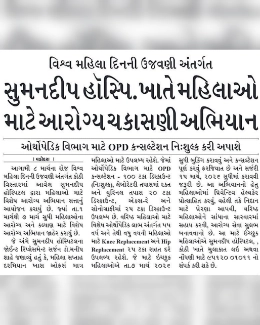
Women’s Health
A special health check-up campaign was organised for women at Sumandeep Hospital.
Upcoming Events
Health camps and upcoming programmes.
Health Camp
Event details will be displayed here.
Health Awareness Programme
Event details will be displayed here.
Screening Camp
Event details will be displayed here.
Hospital Updates
Important updates about doctors, OPD and hospital services.
Doctor / OPD Update
Important hospital information will be displayed here.
Service Update
Important hospital information will be displayed here.
OPD / Department Update
Important hospital information will be displayed here.
Health Alerts
General health awareness and important public health messages.
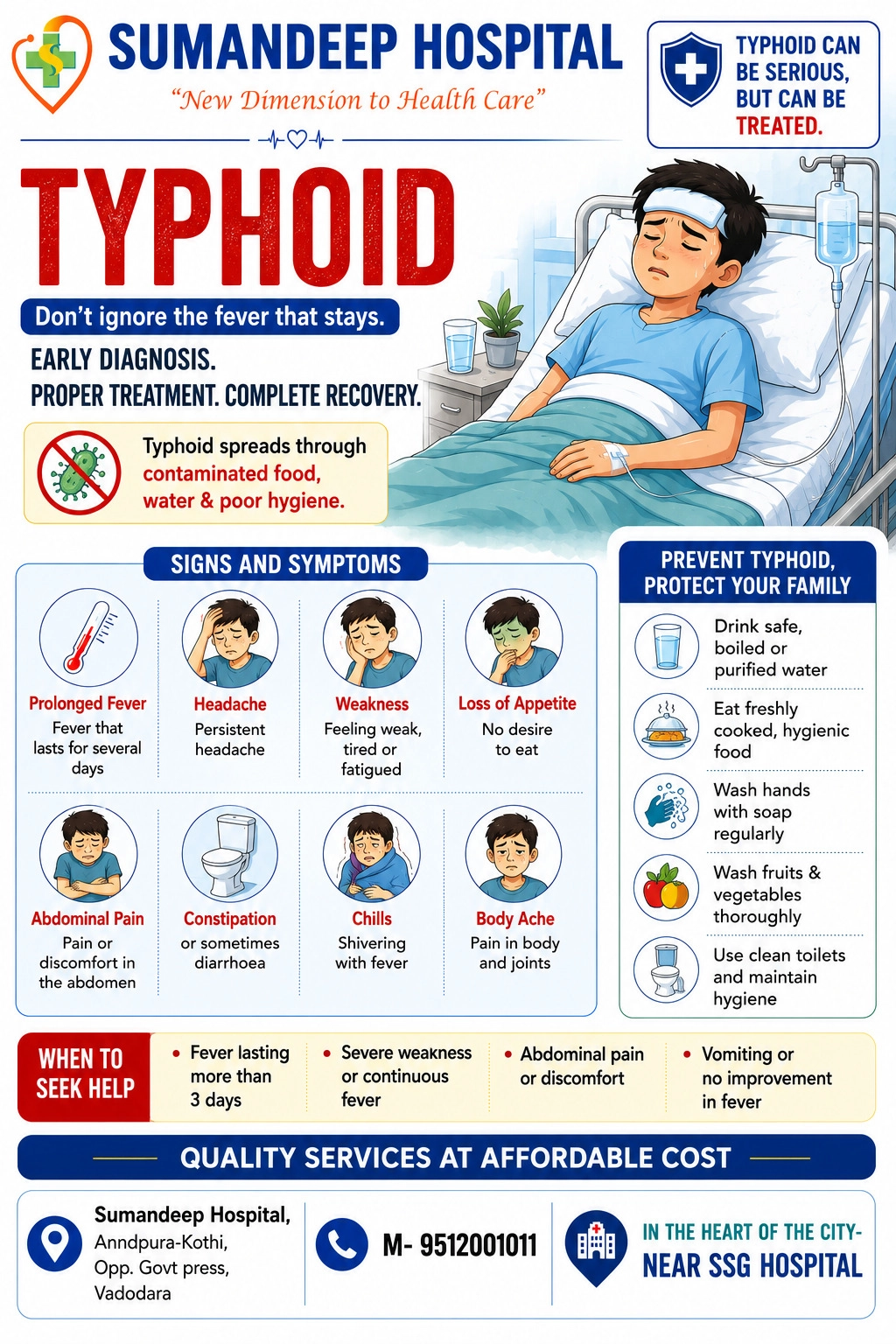
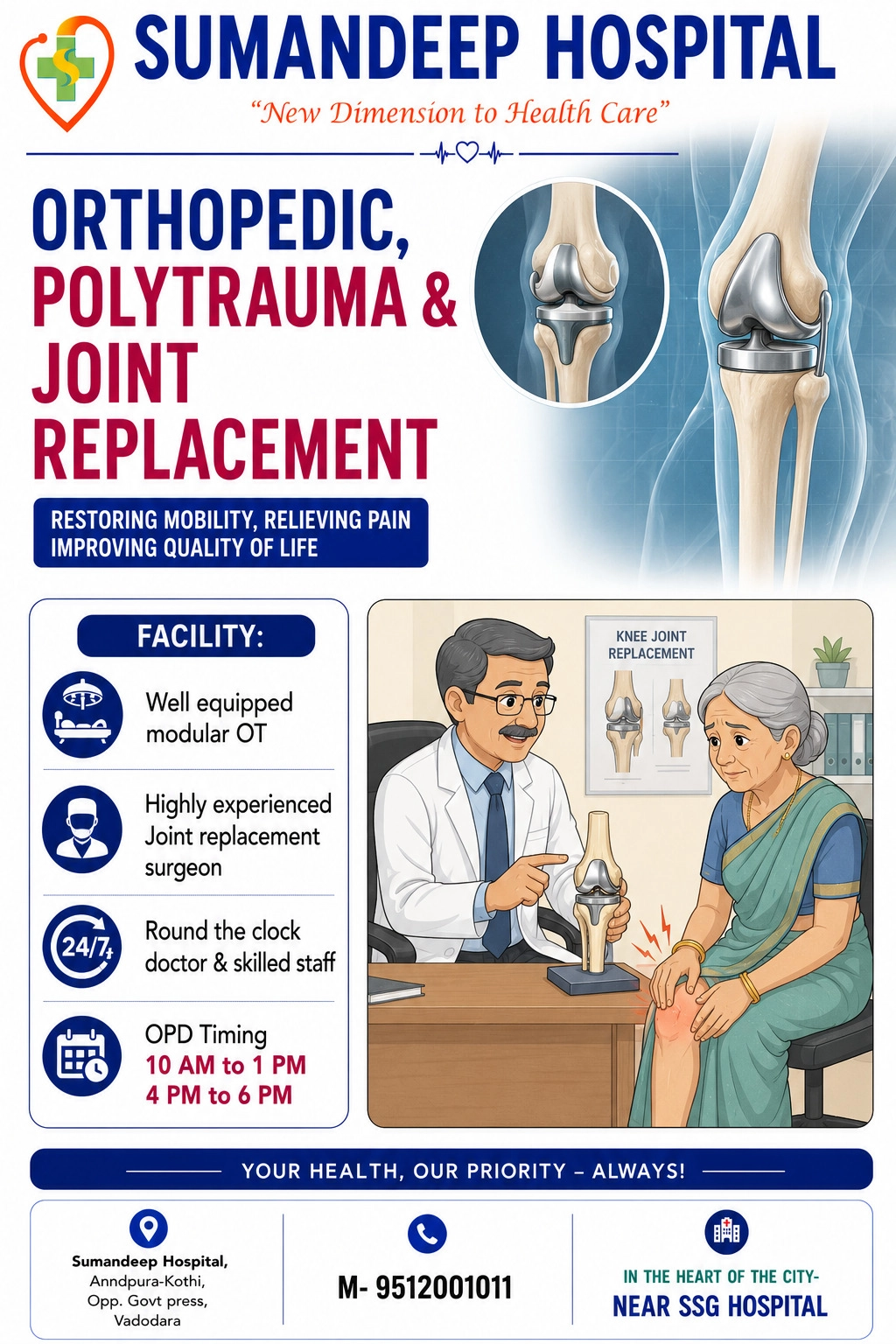
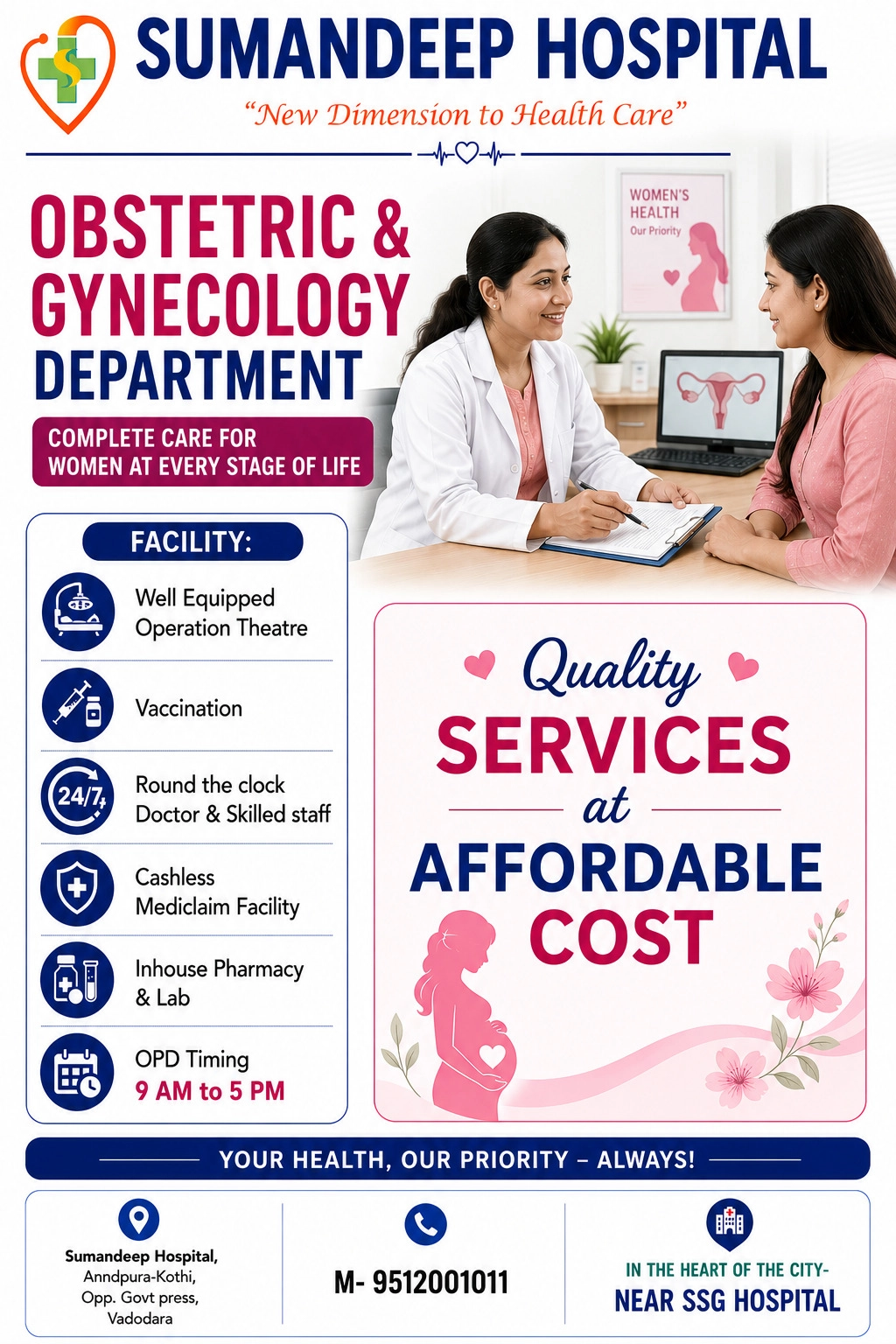
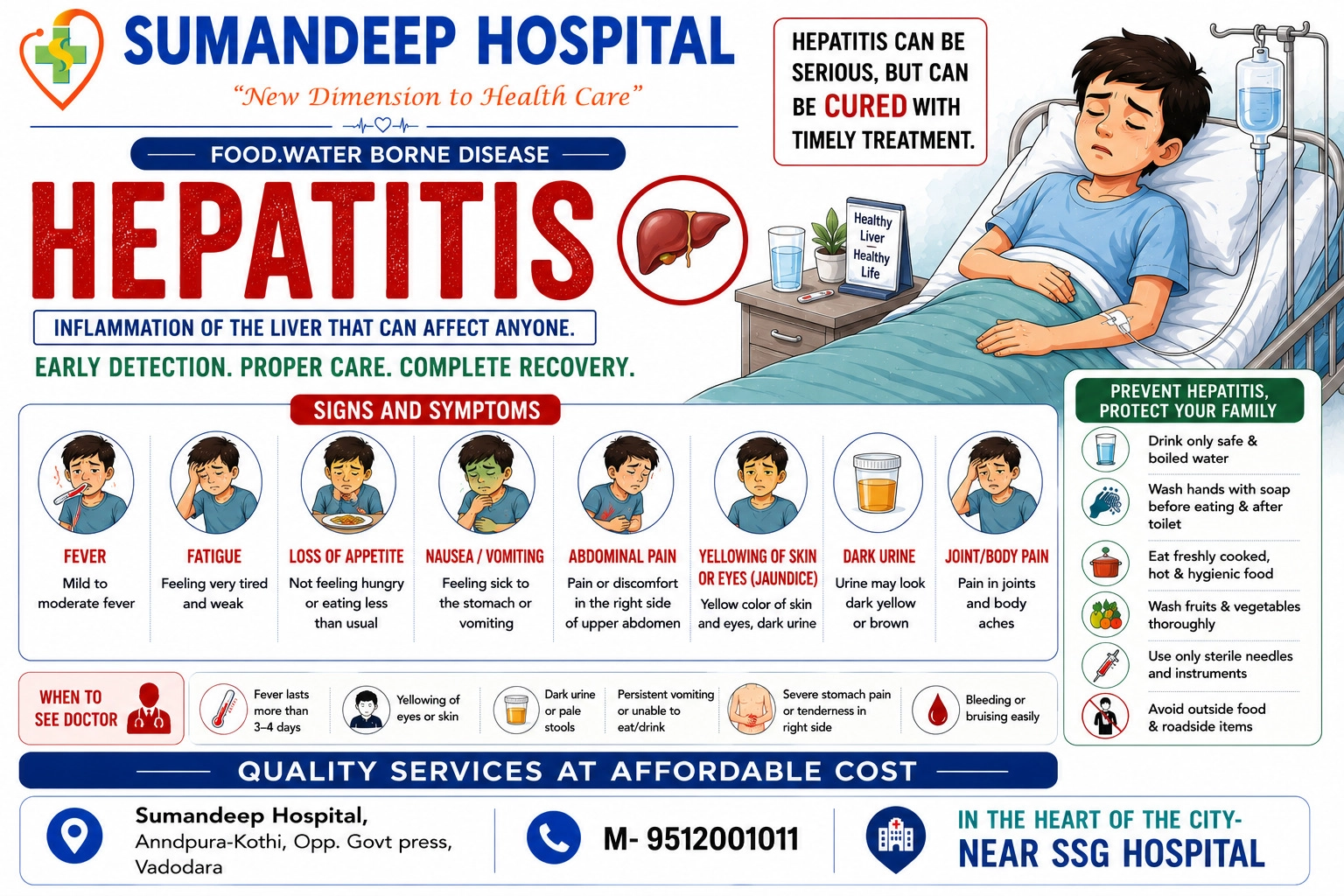
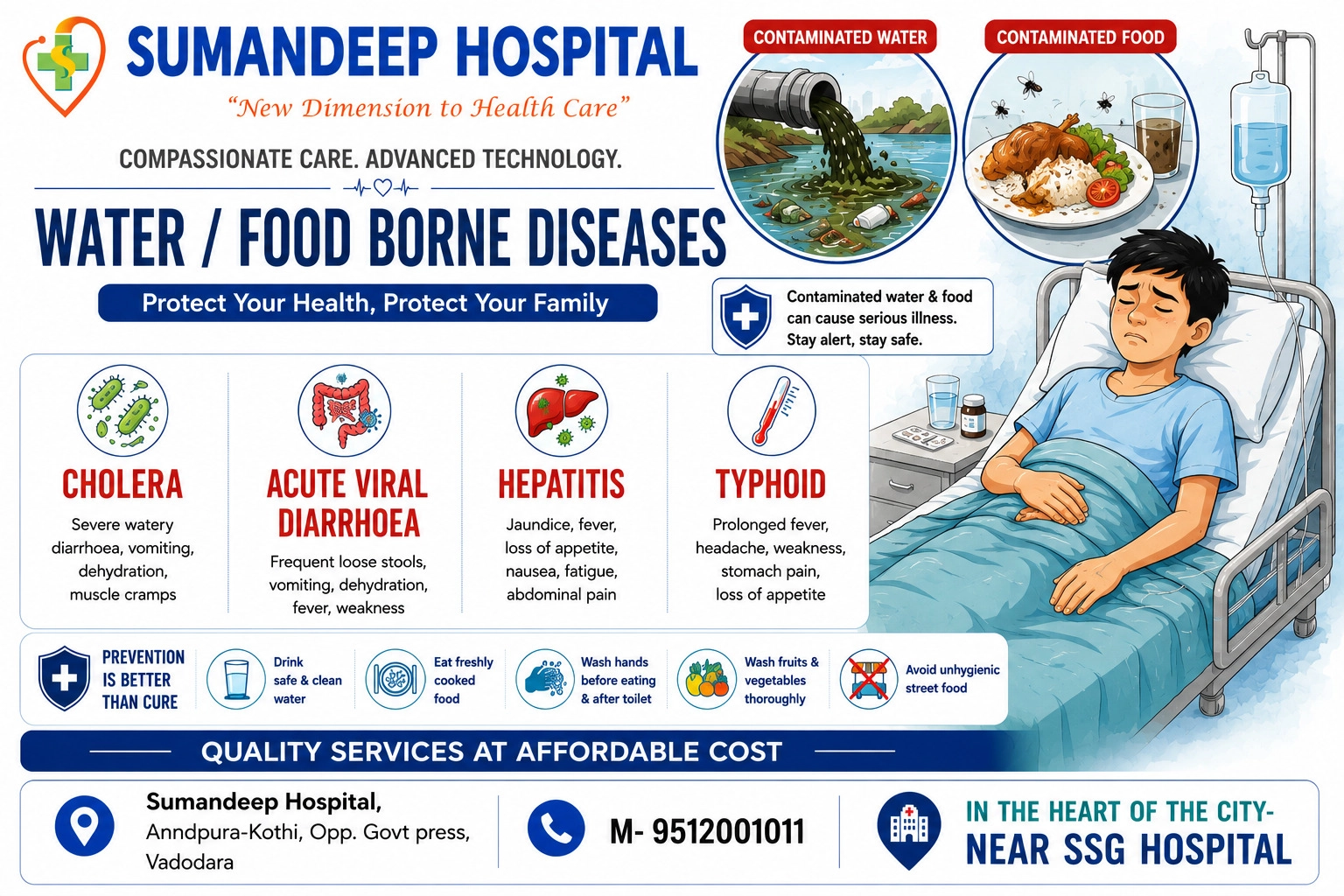
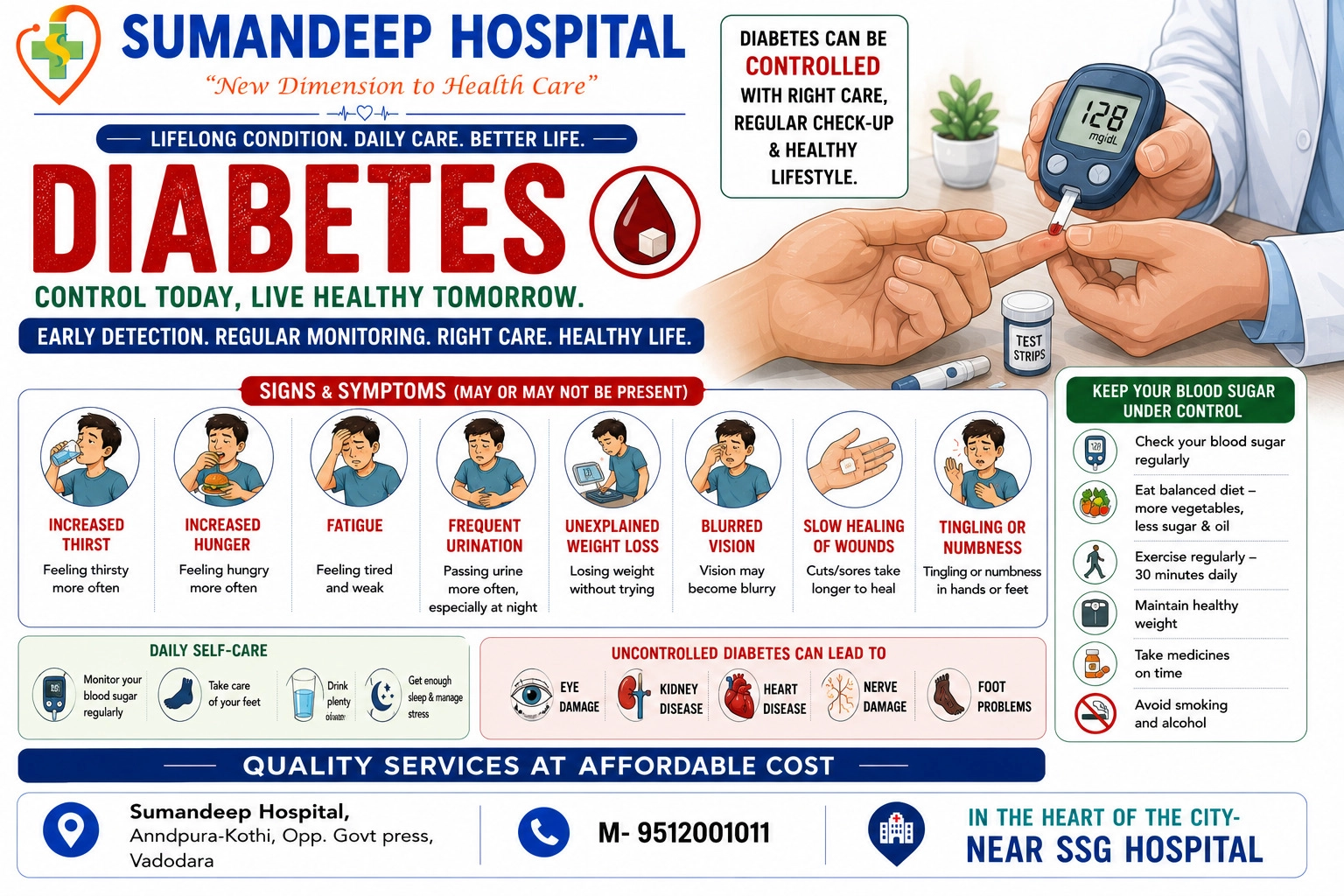
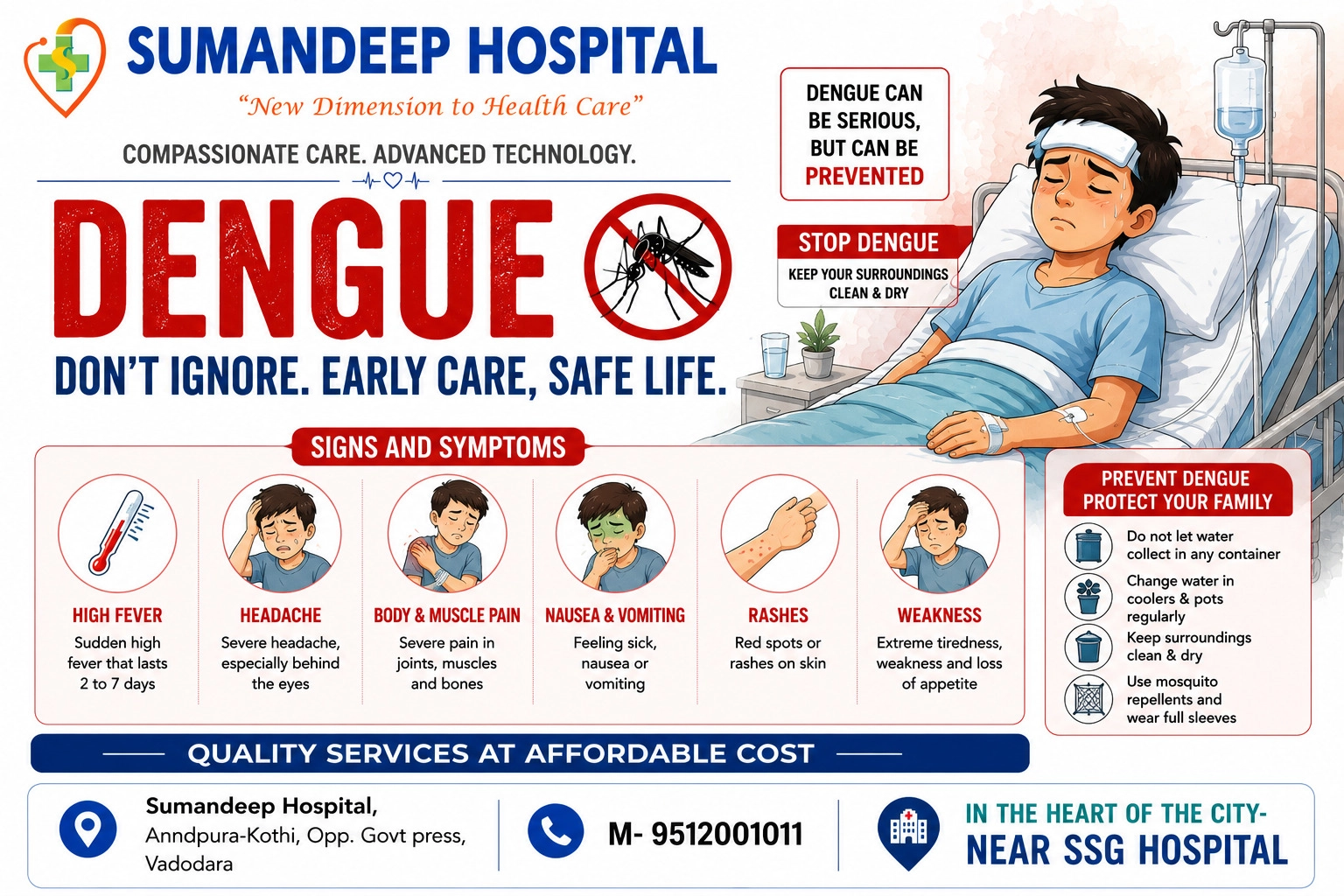
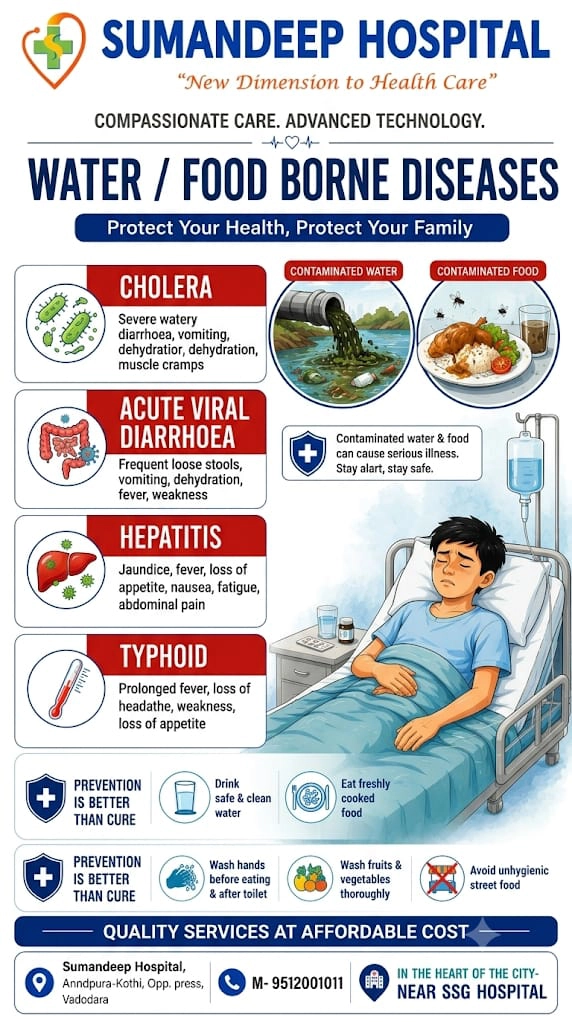
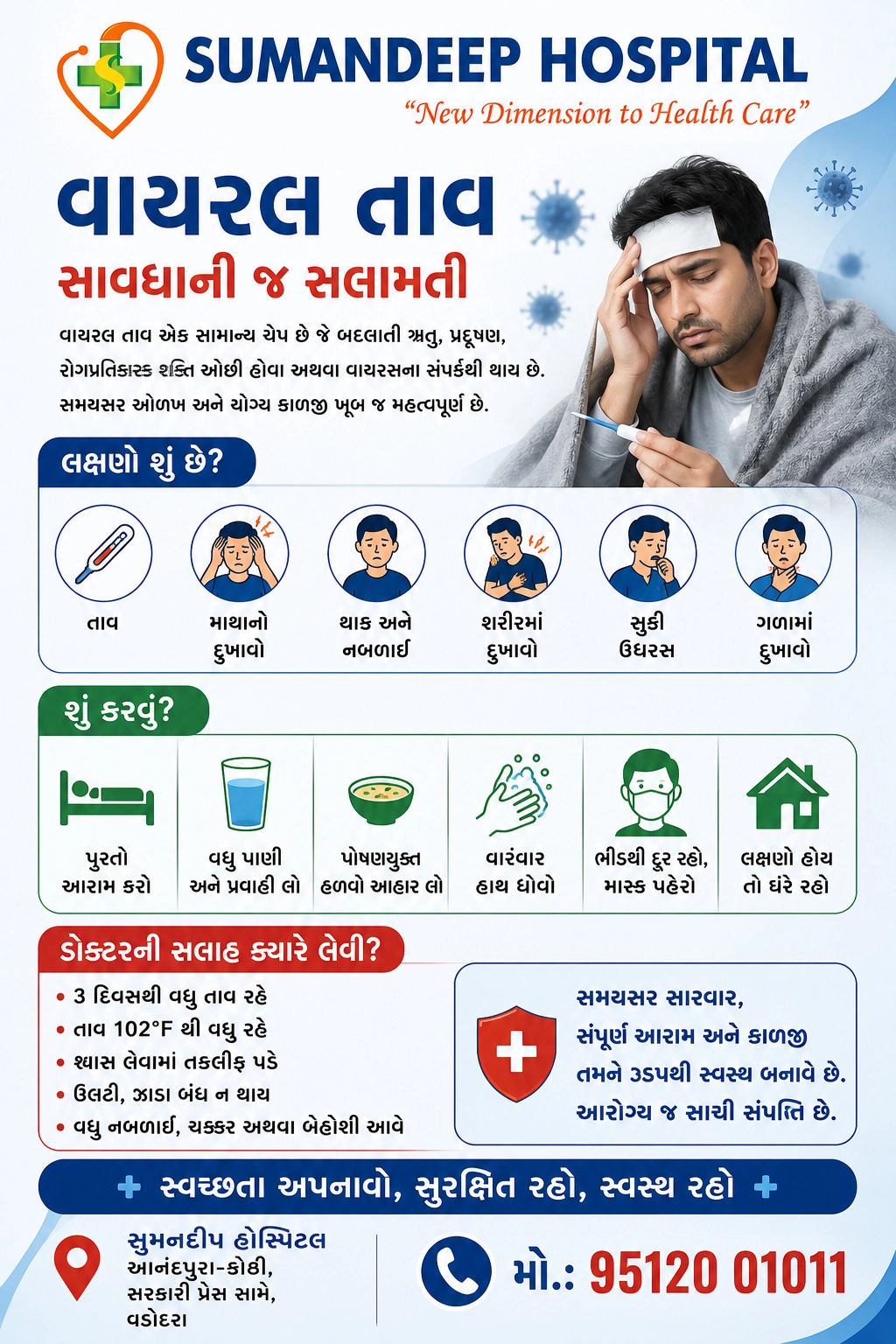
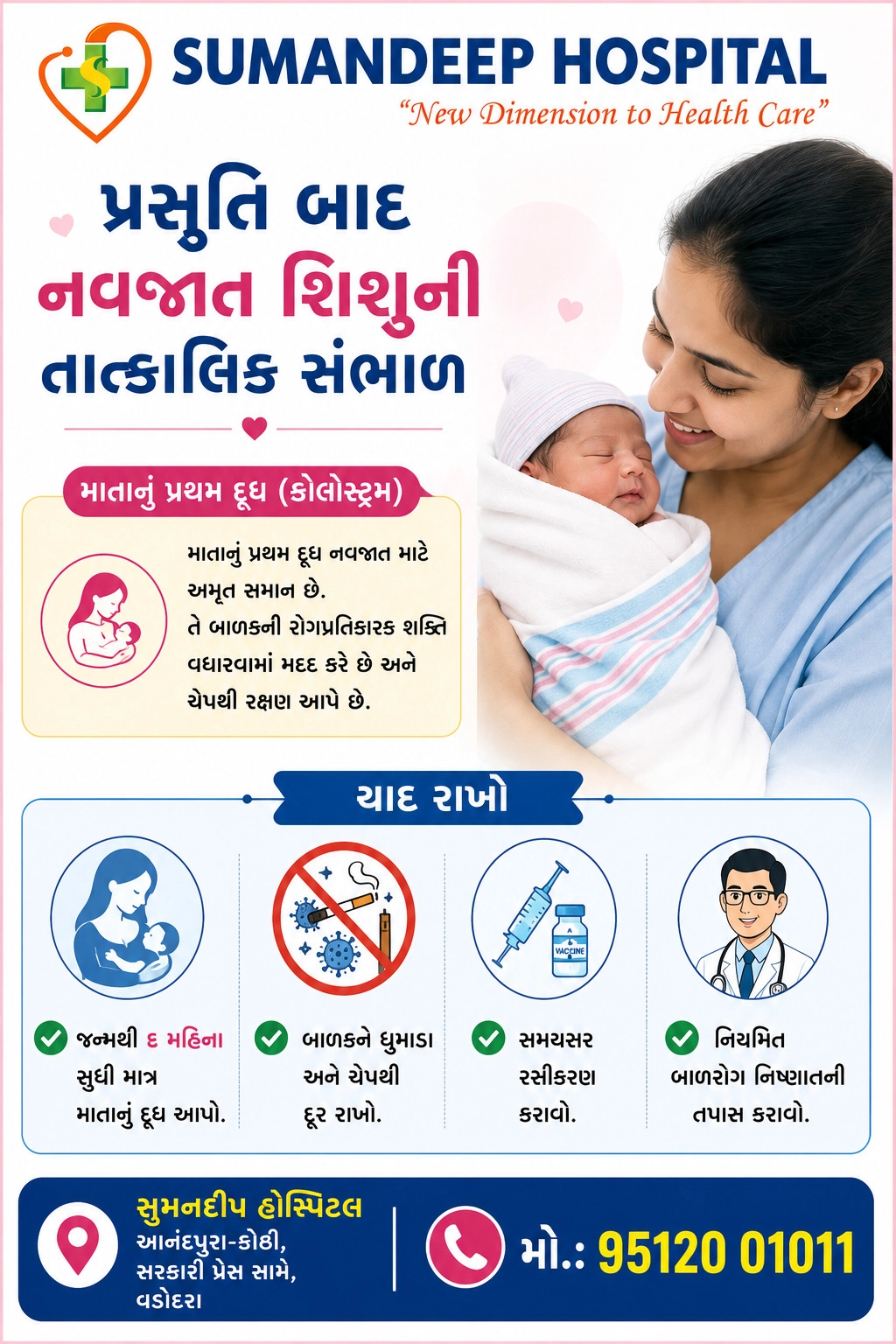
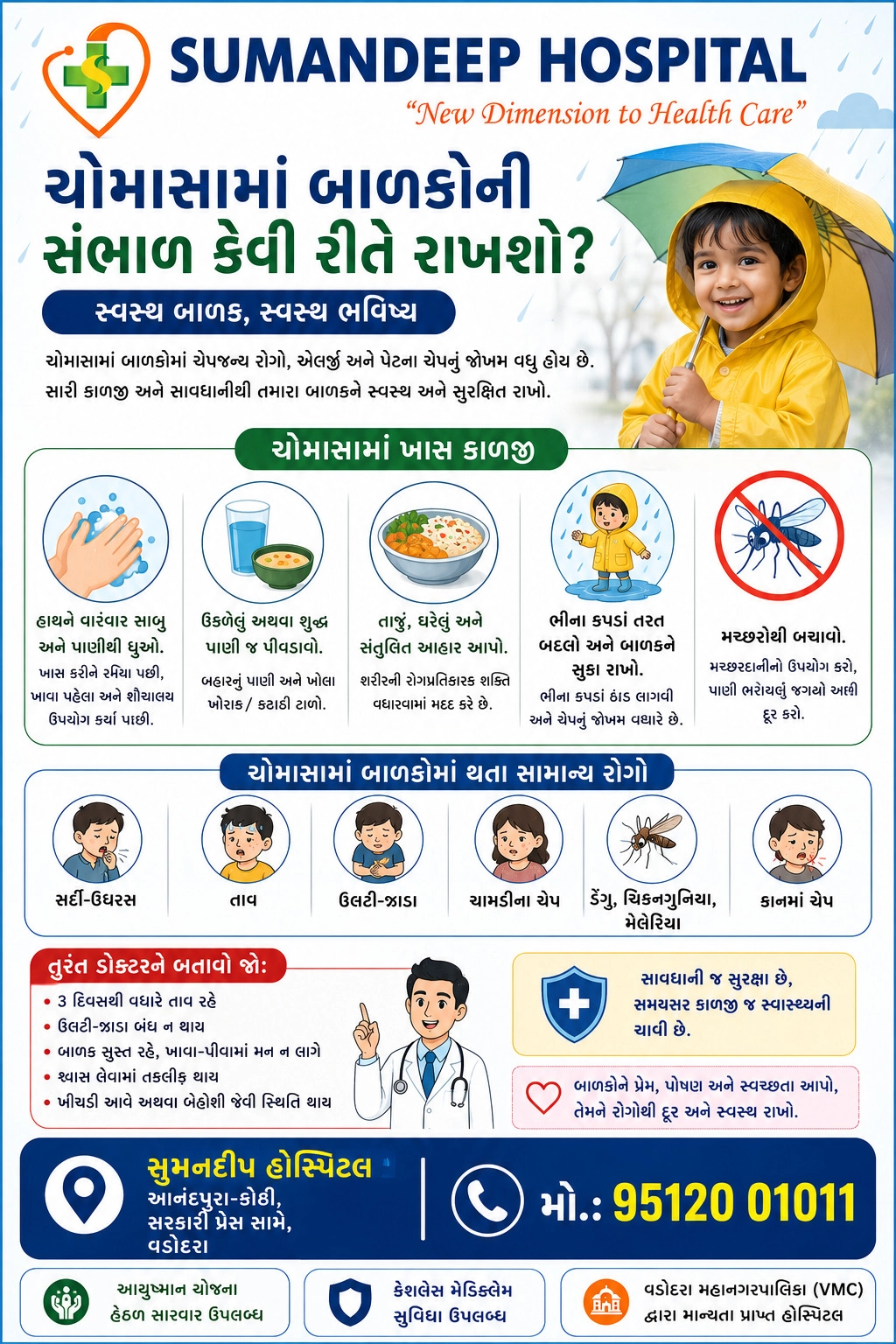
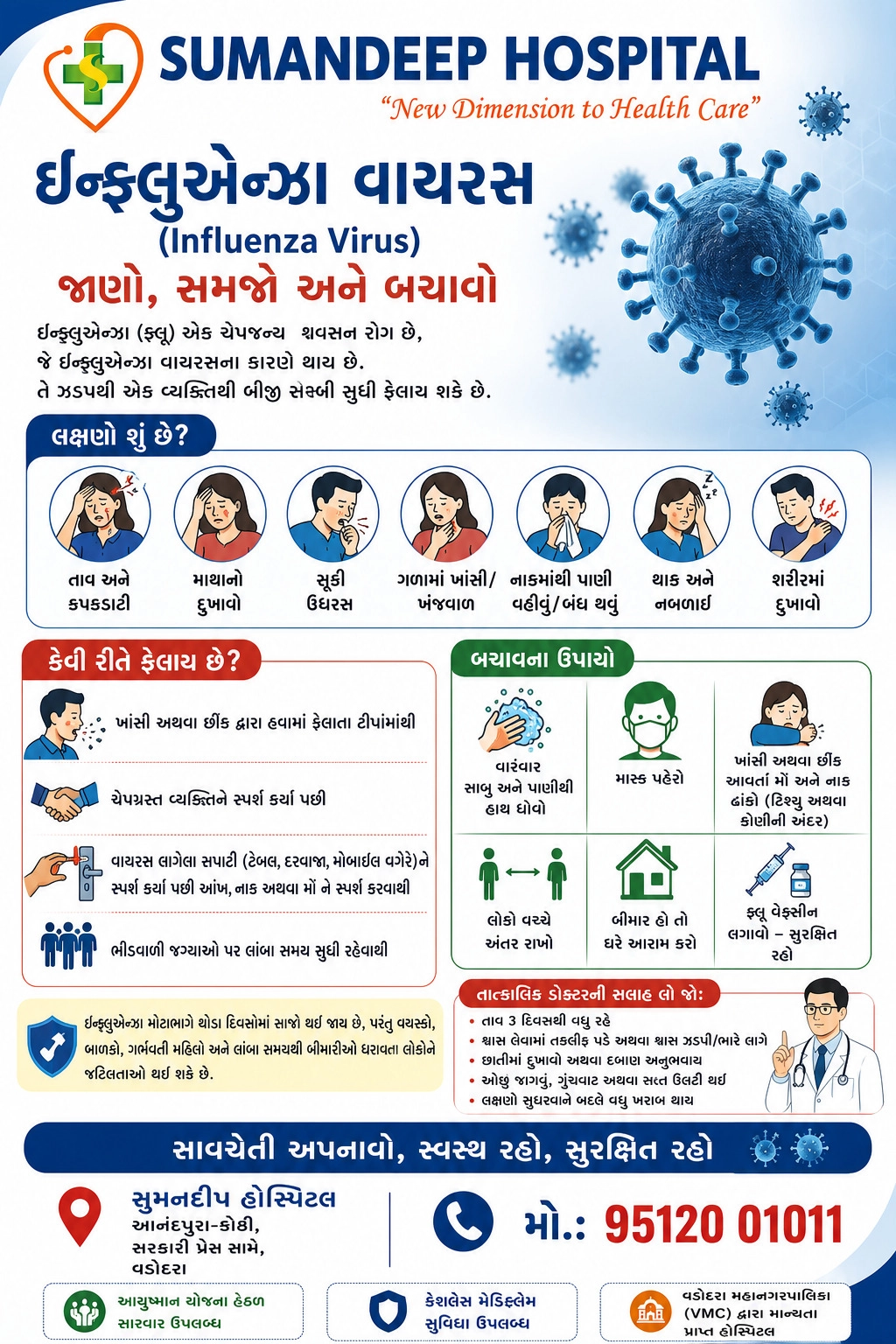
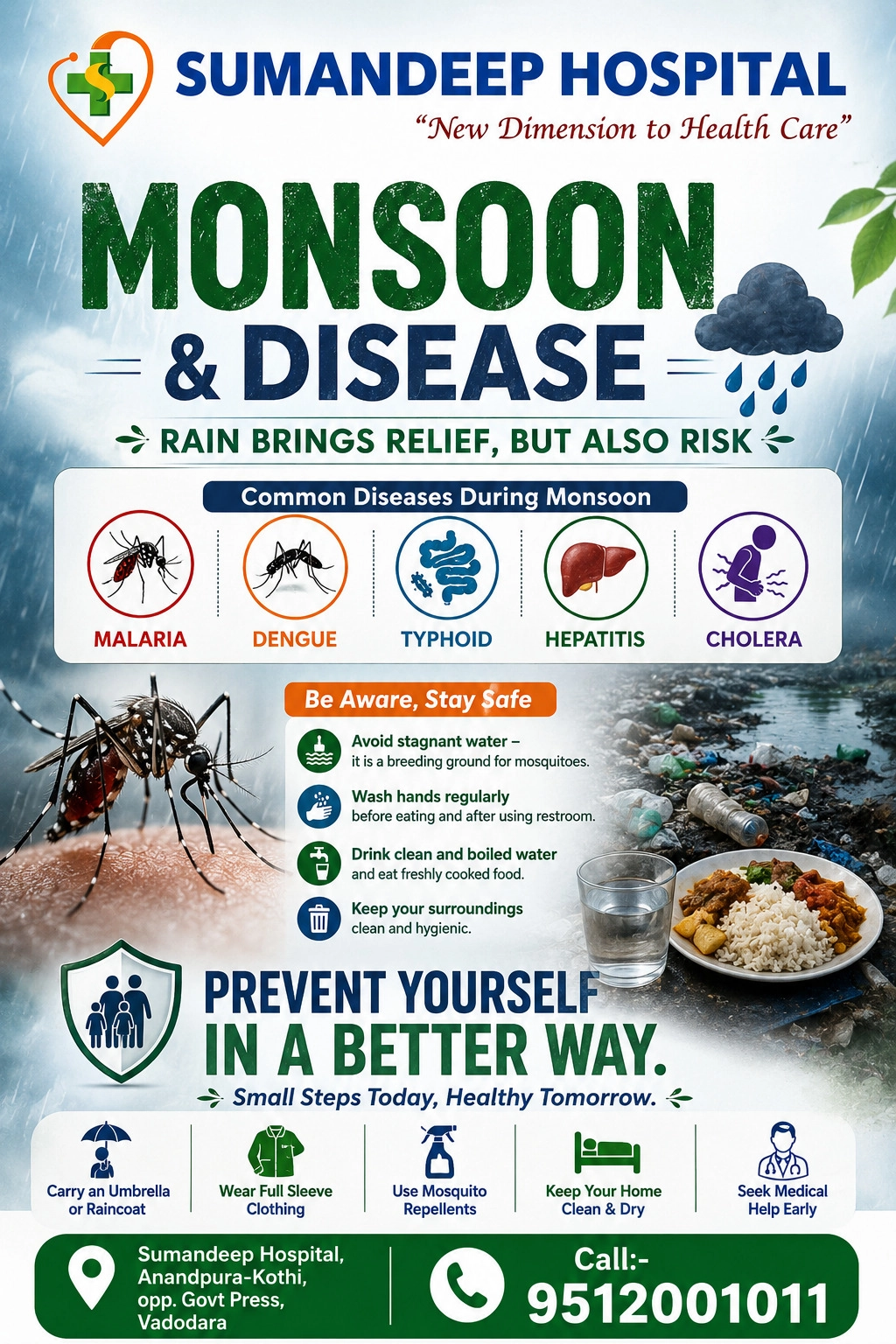
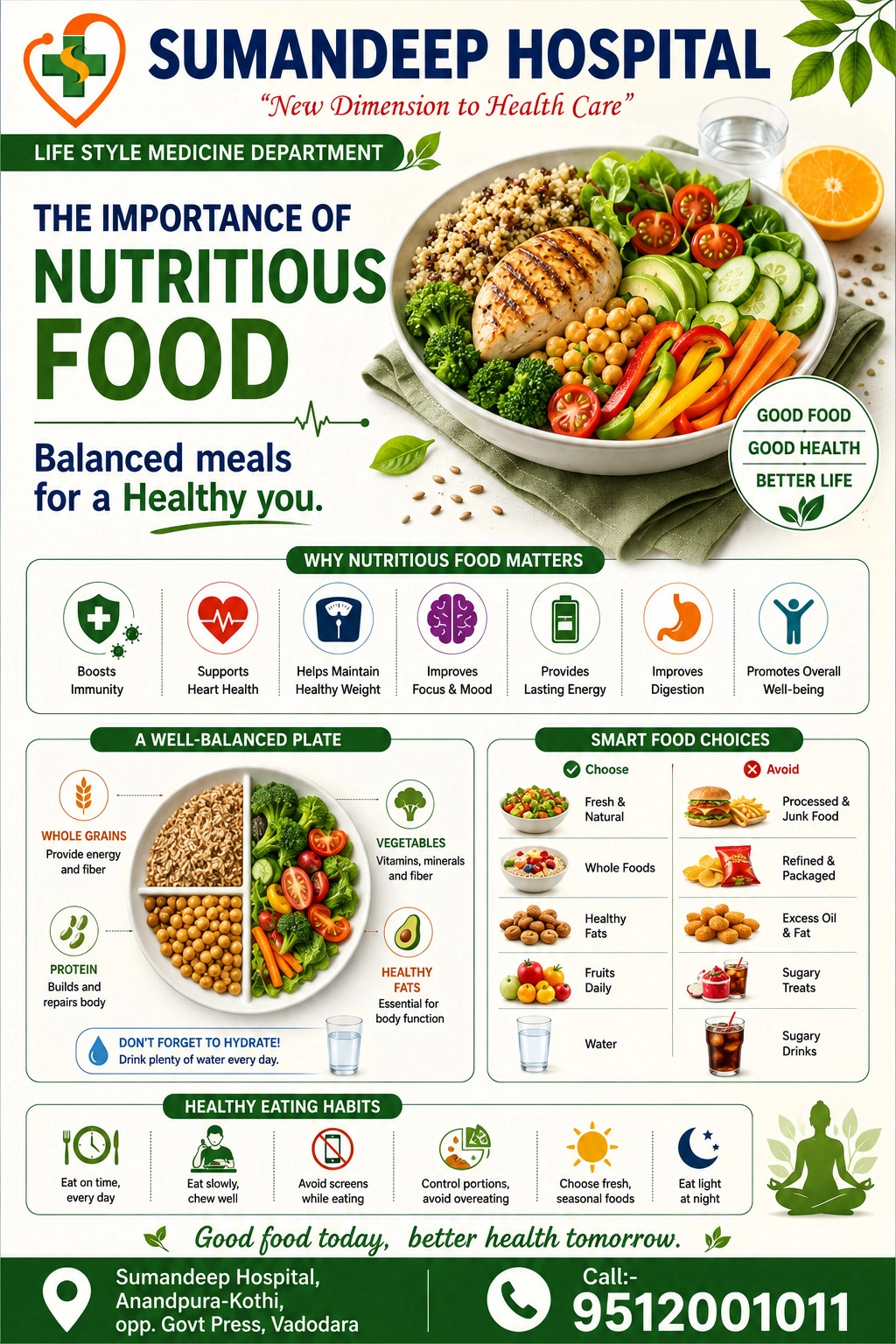
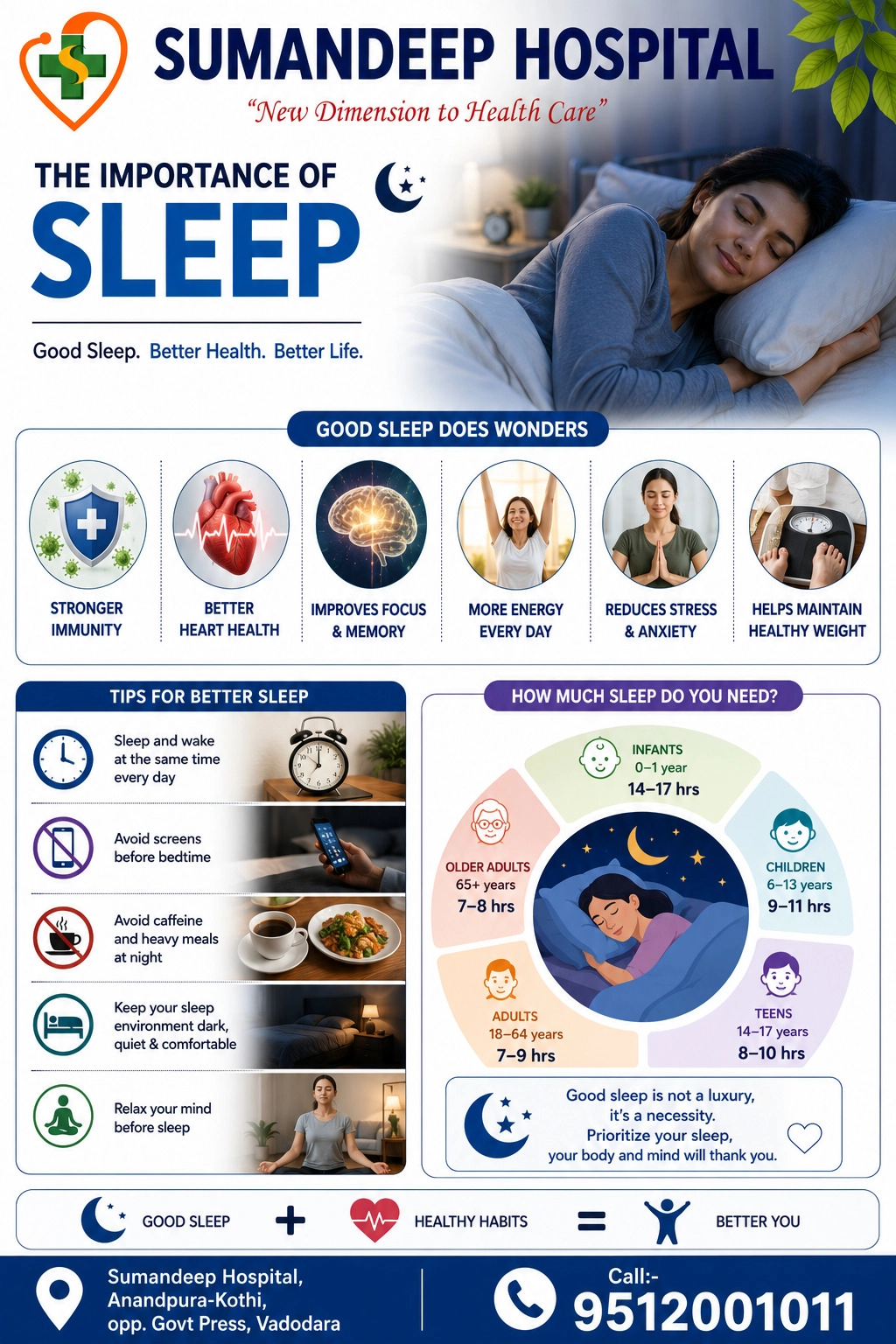
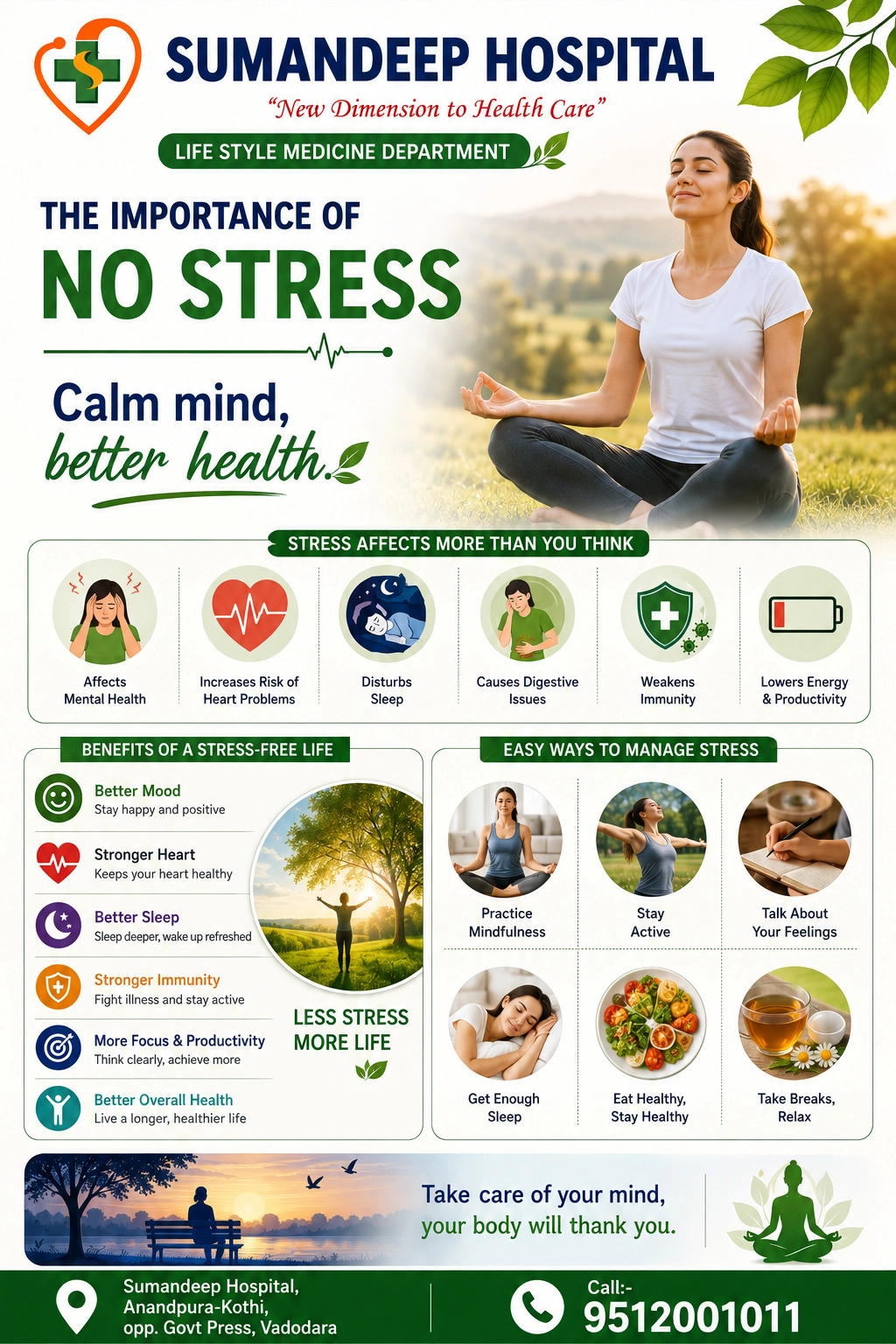
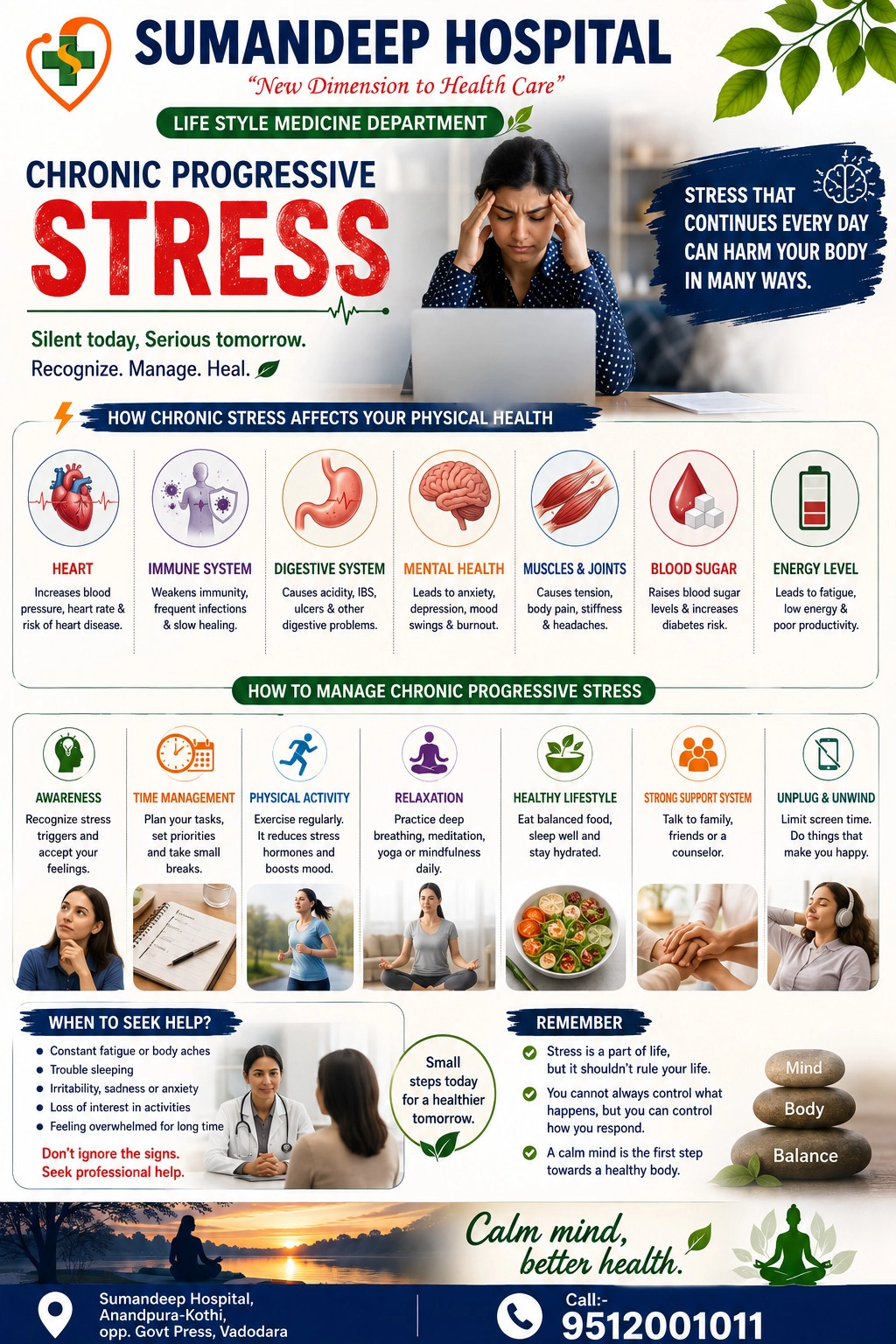

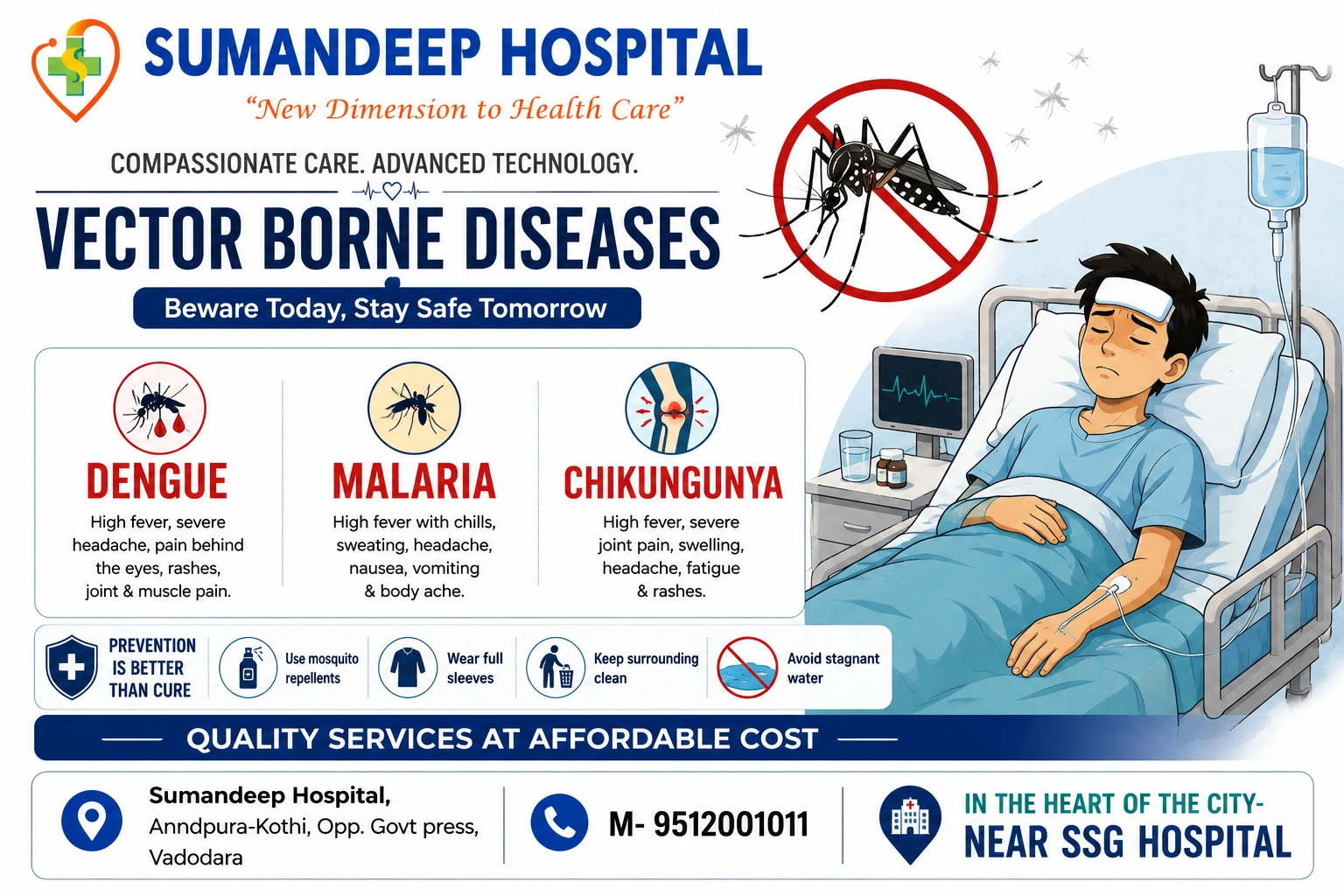
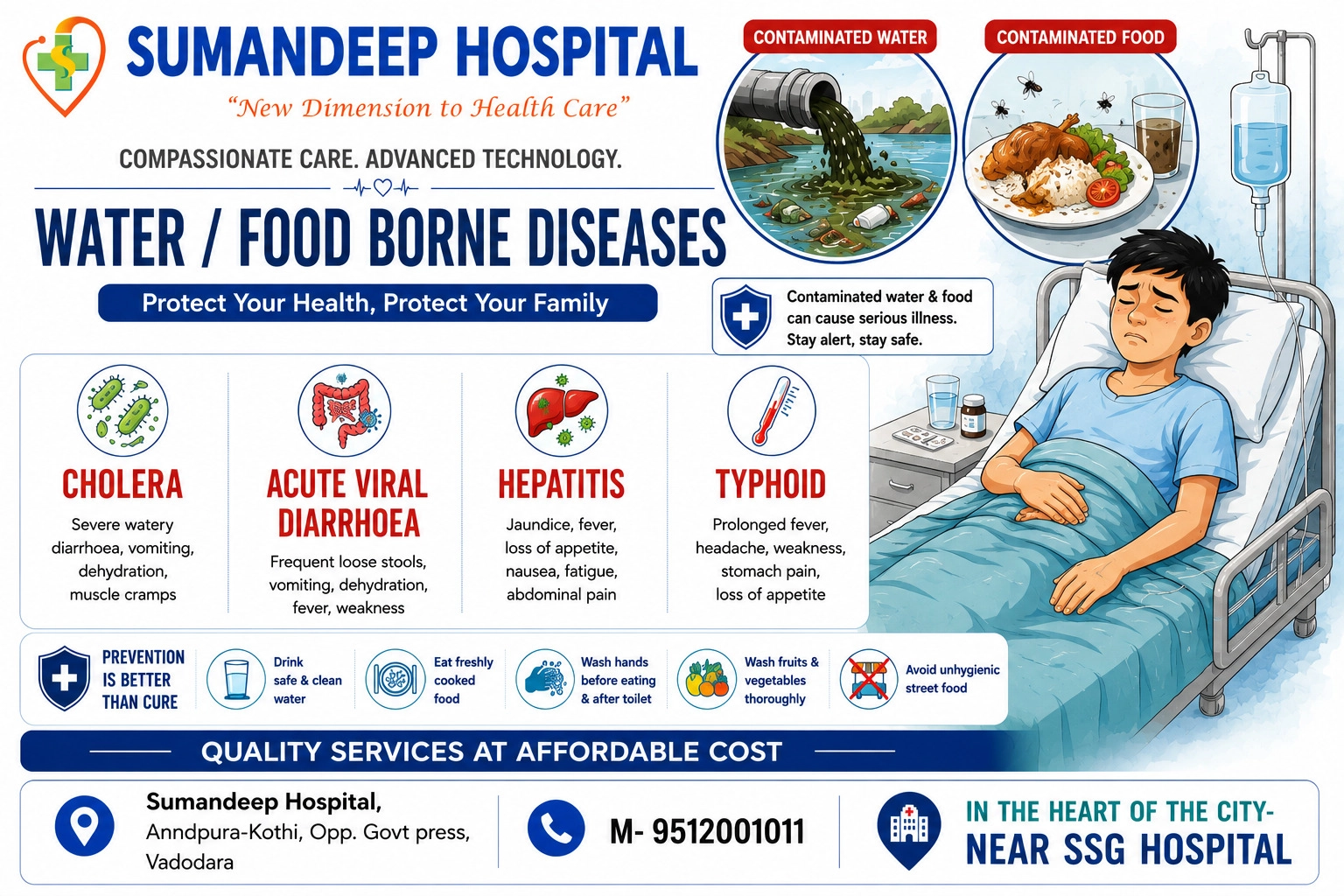
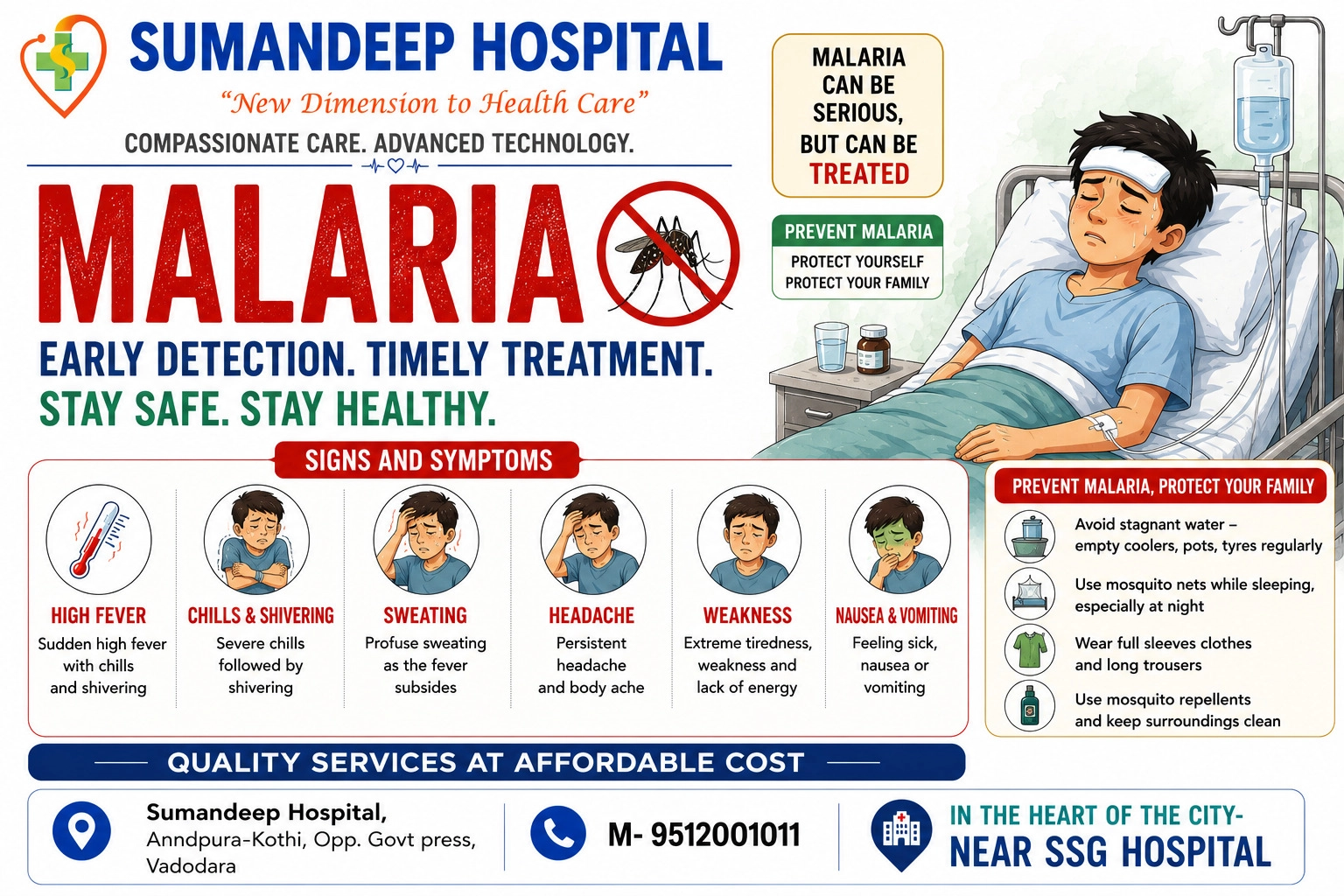
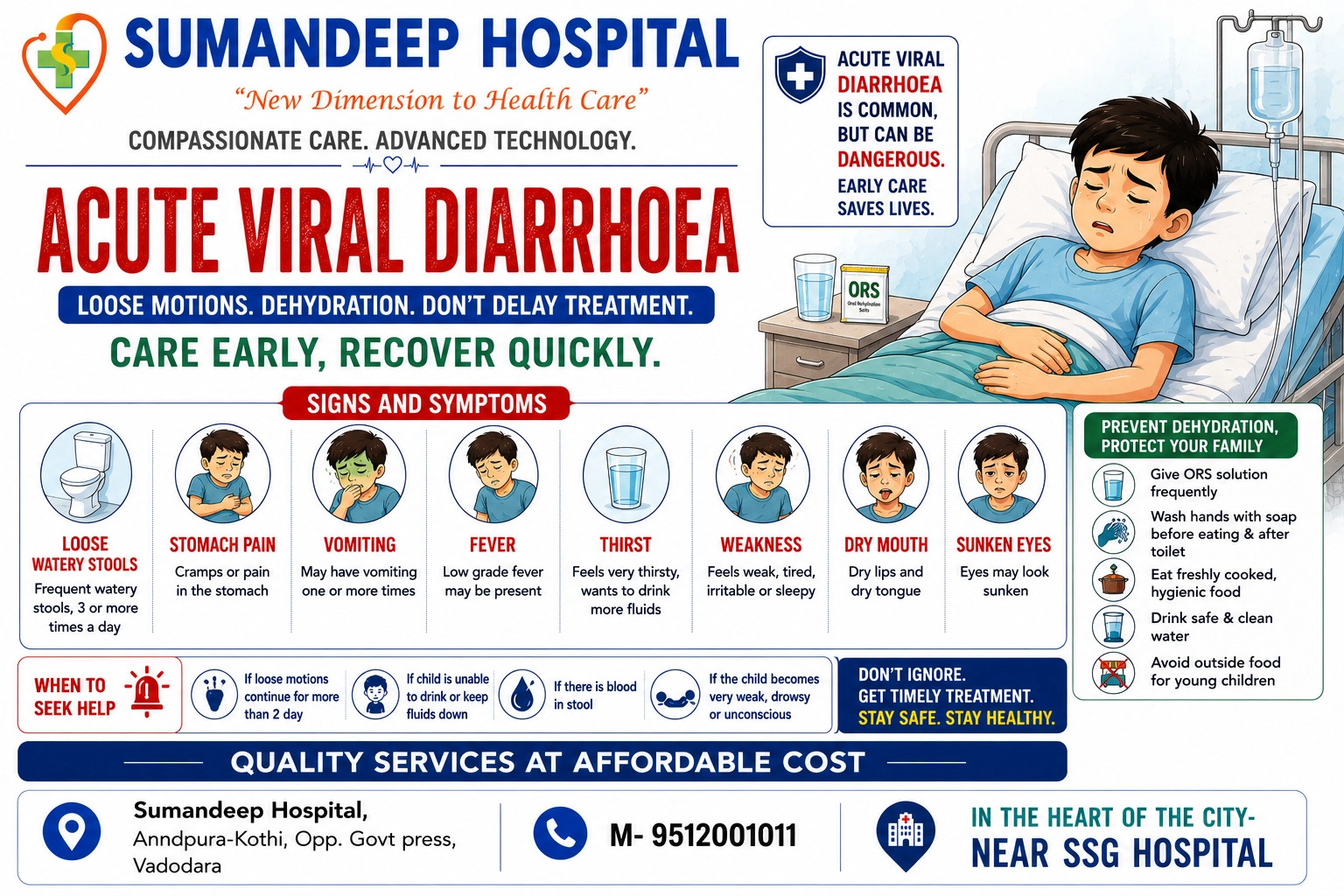
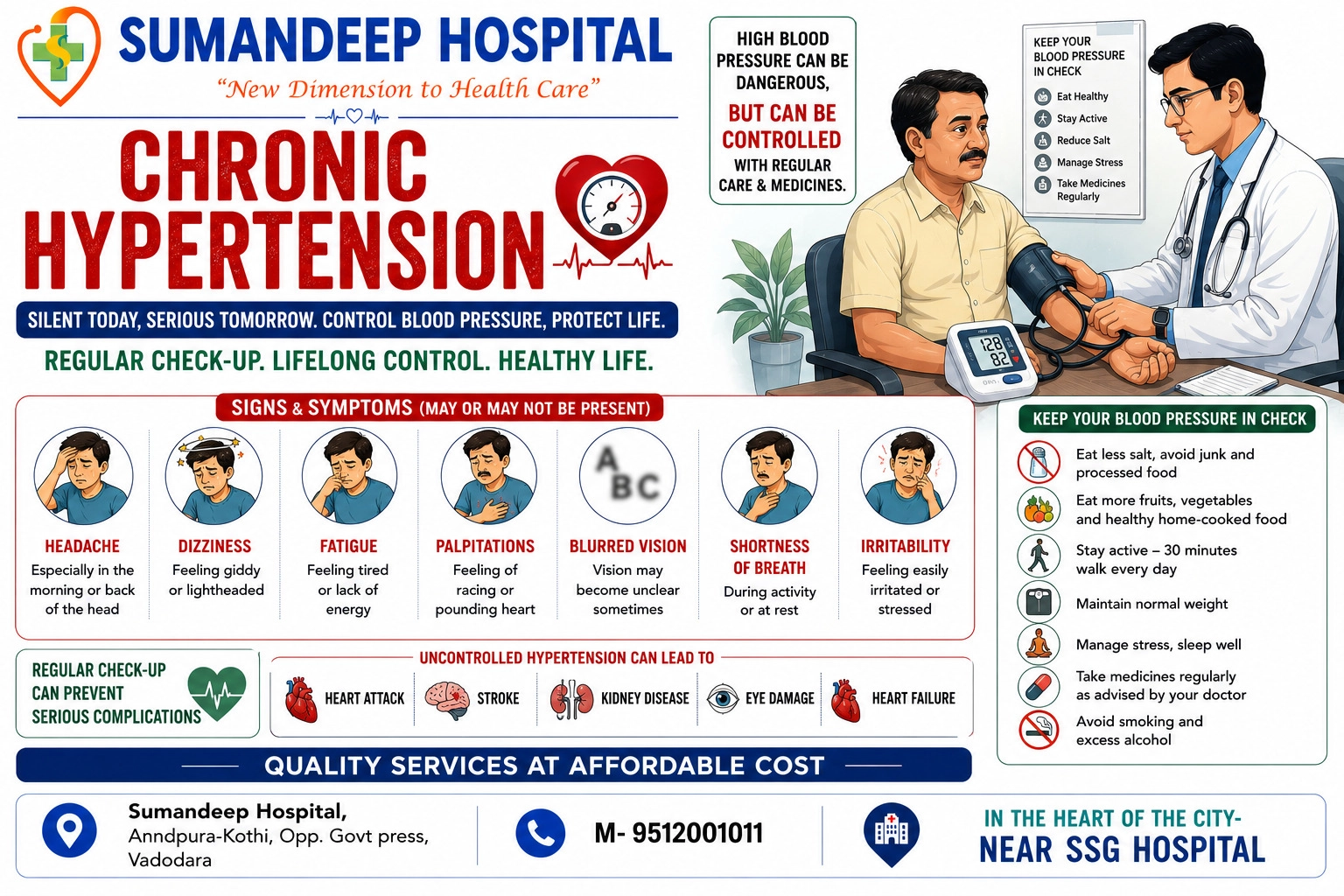
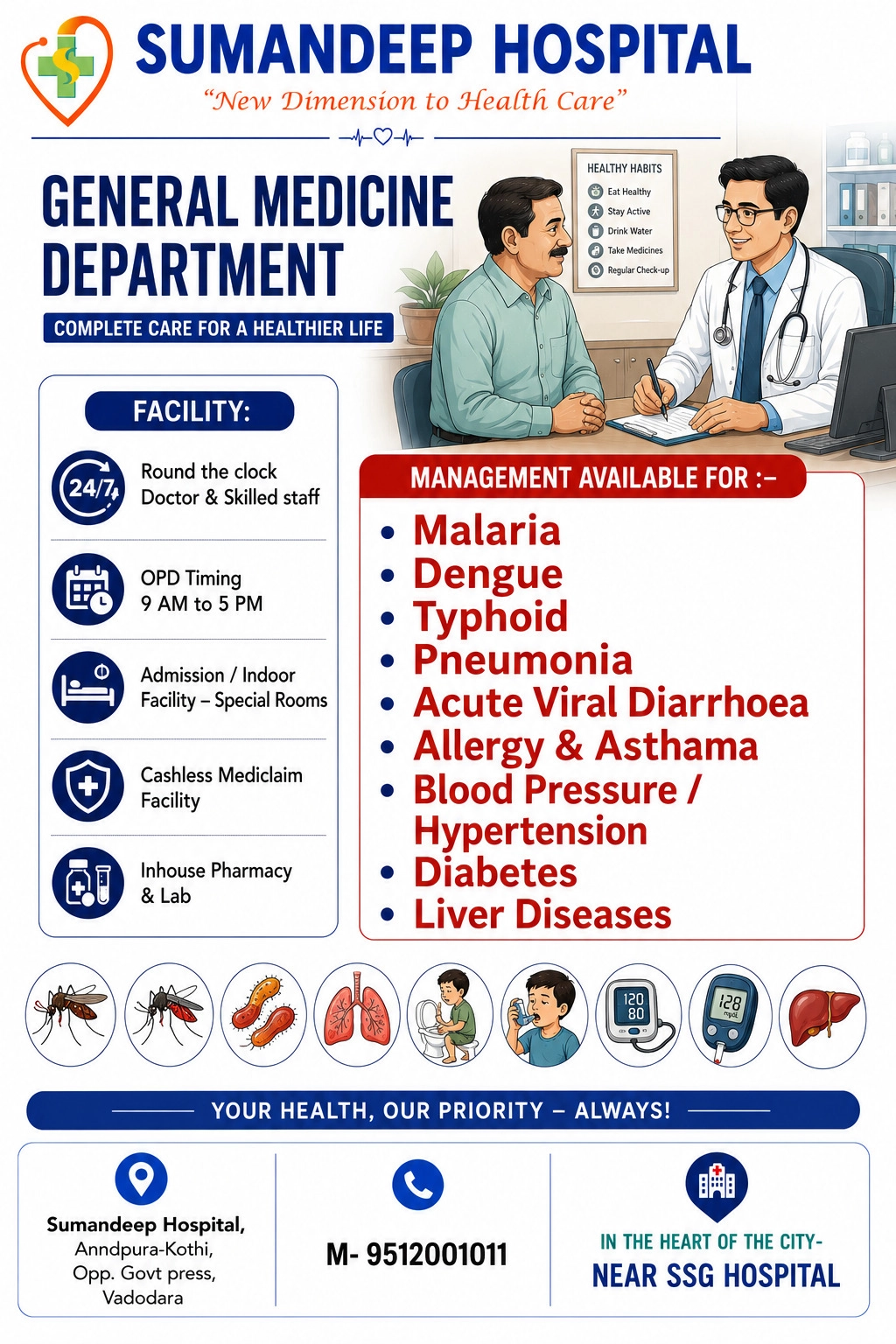
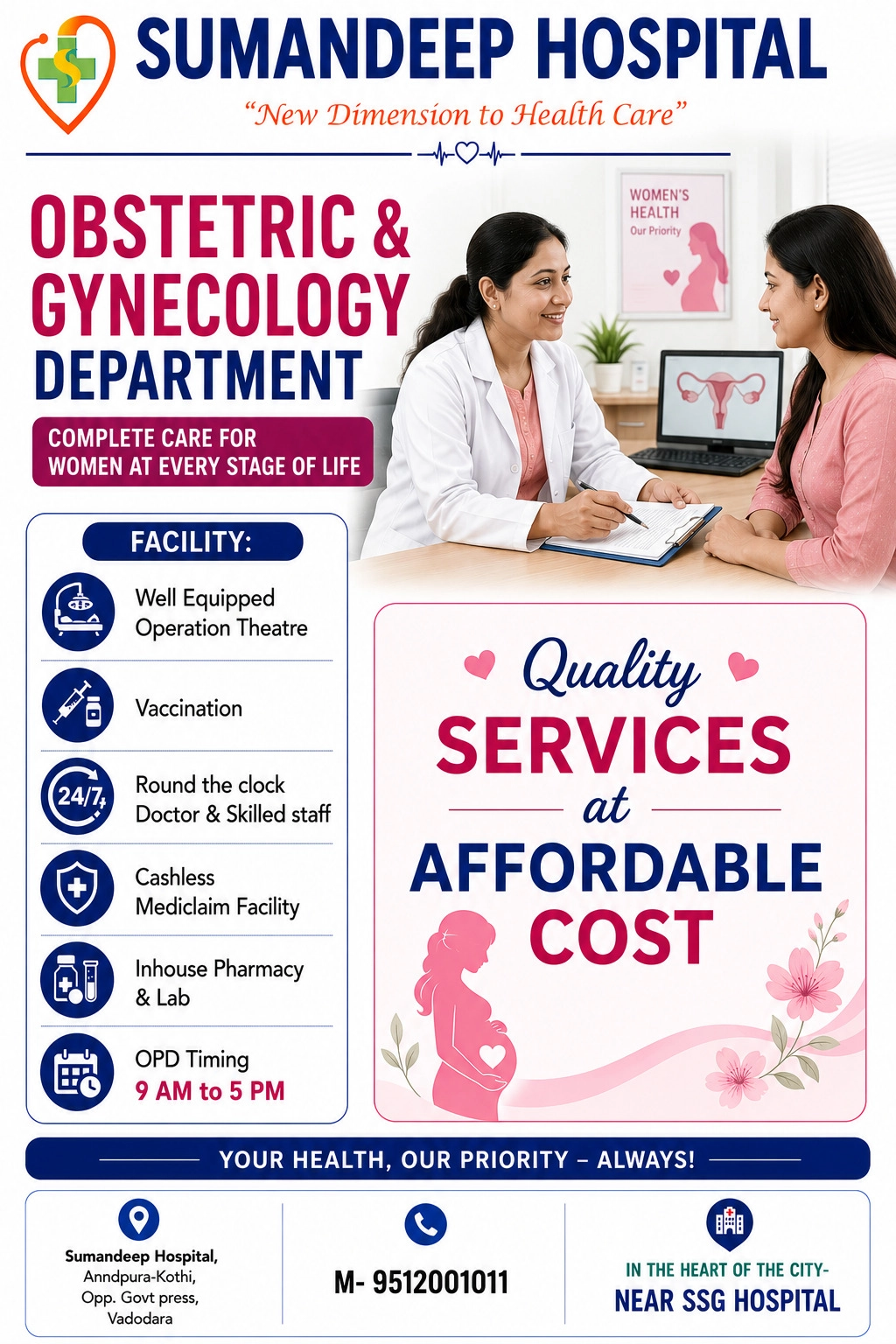
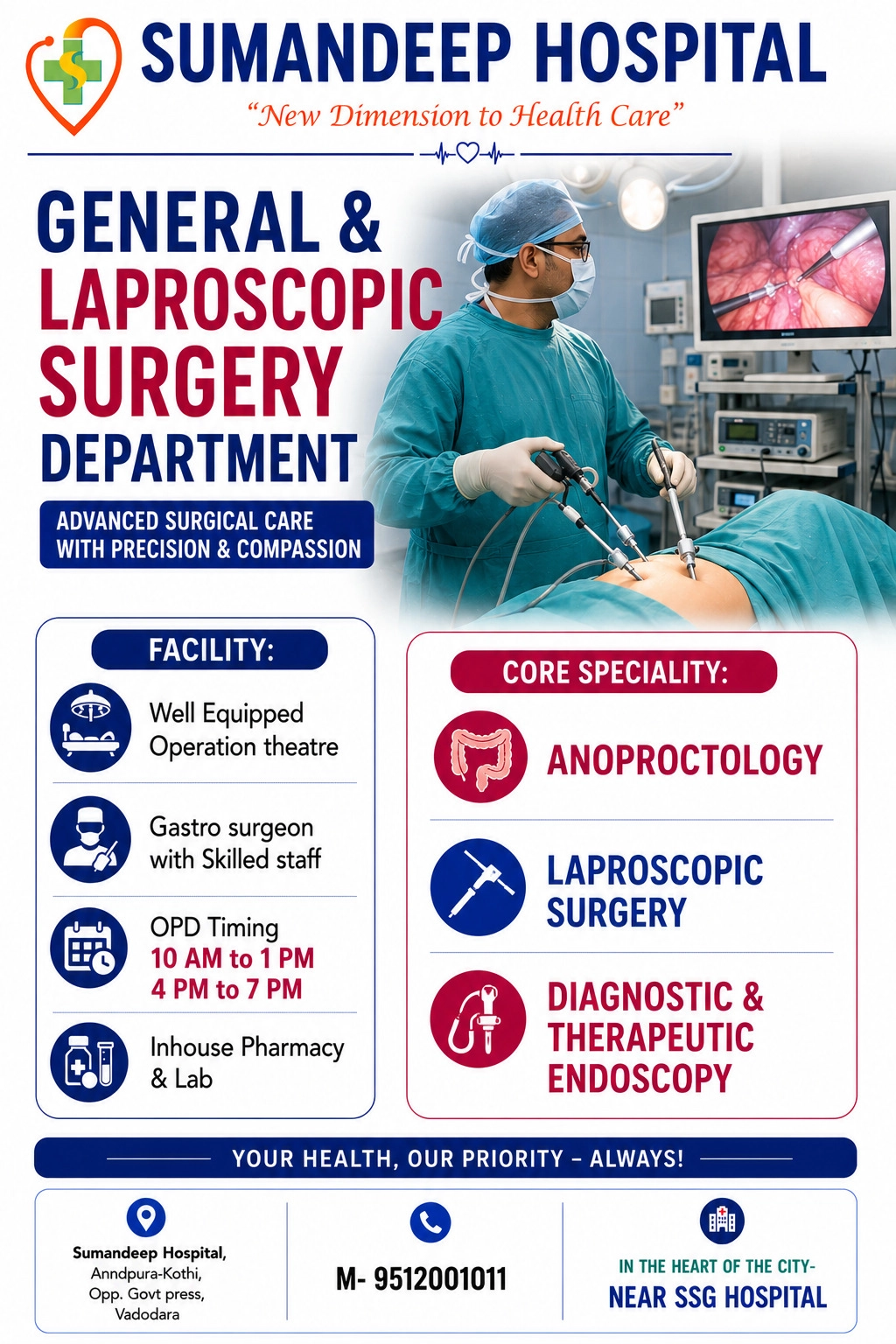
Stay Tuned for Updates
New events, hospital updates and health awareness messages will appear here.